Ventilator Image Gallery
You may have to click on the “i” icon on the right once inside of each Case Gallery to view the captions. See useful terminology at the bottom.
Patient Ventilator Interactions:
Effects of Respiratory Effort on Waveforms
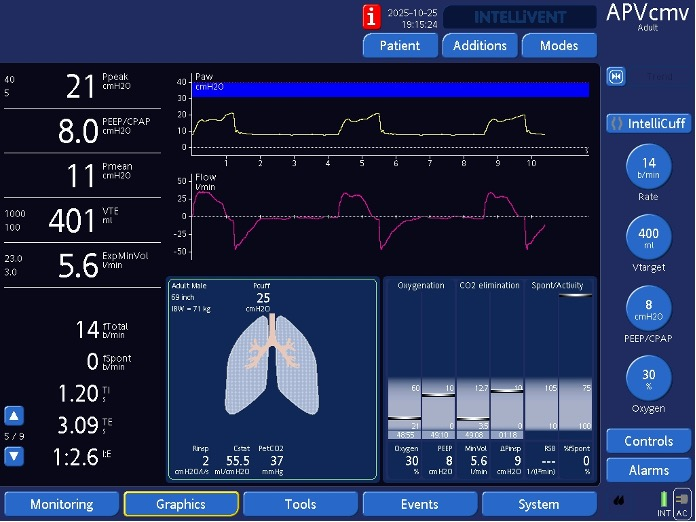
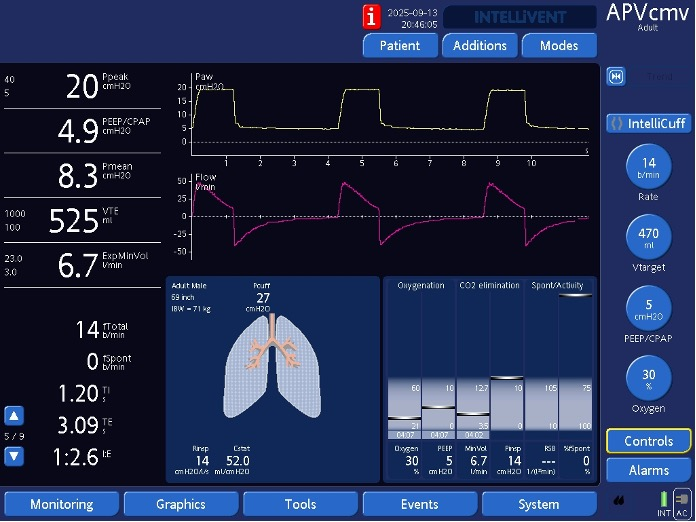
Early Trigger and Troubleshooting Options
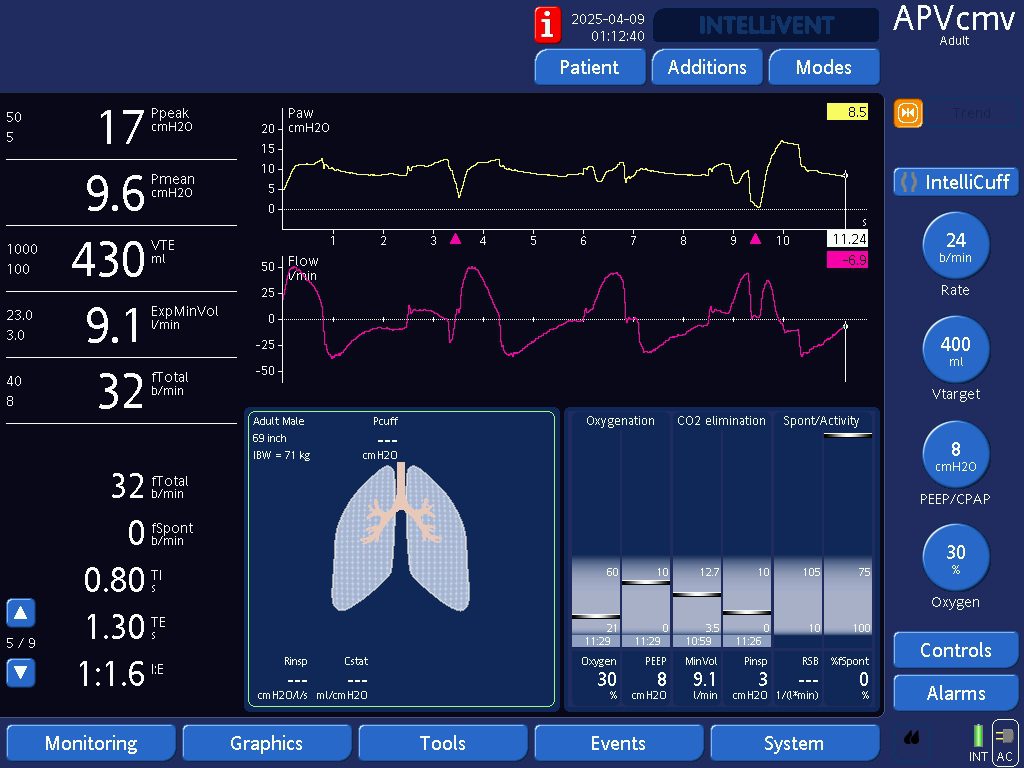
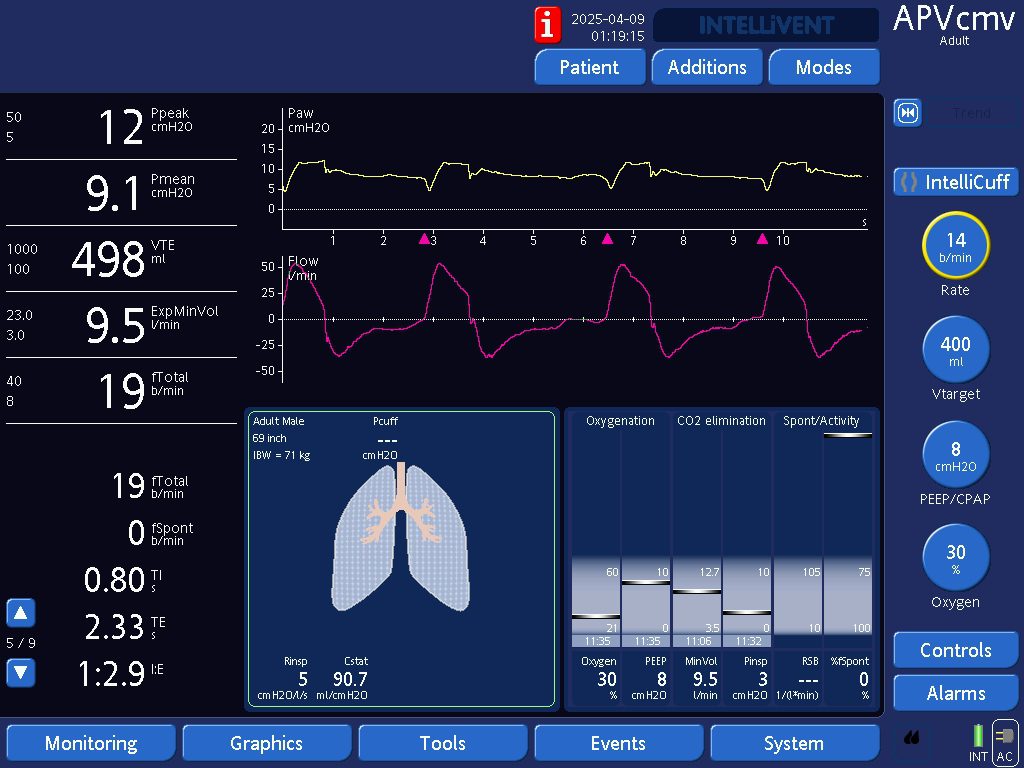
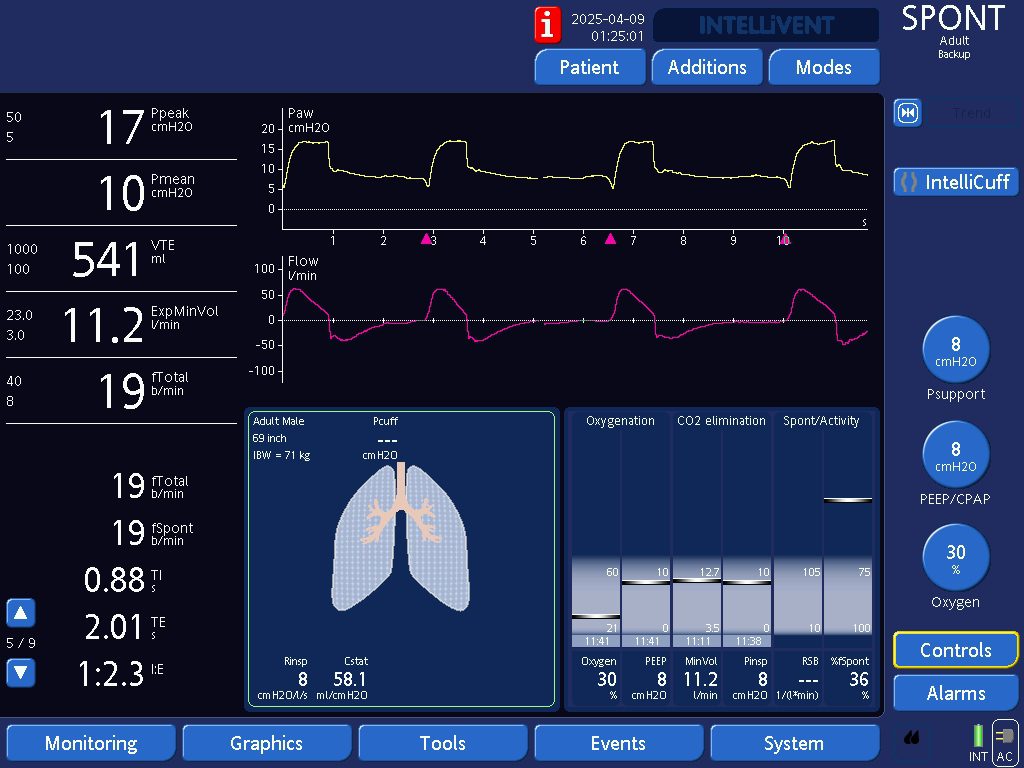
Additional Case of Early Trigger Highlighting the Principles of Treatment of this Dyssynchrony
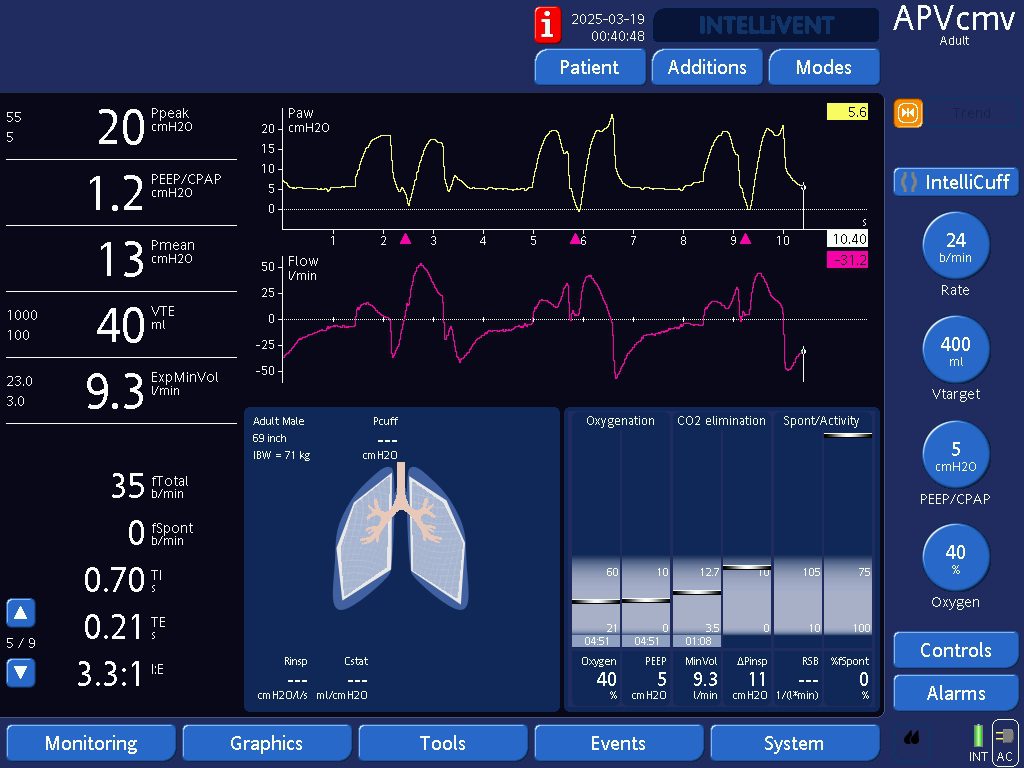
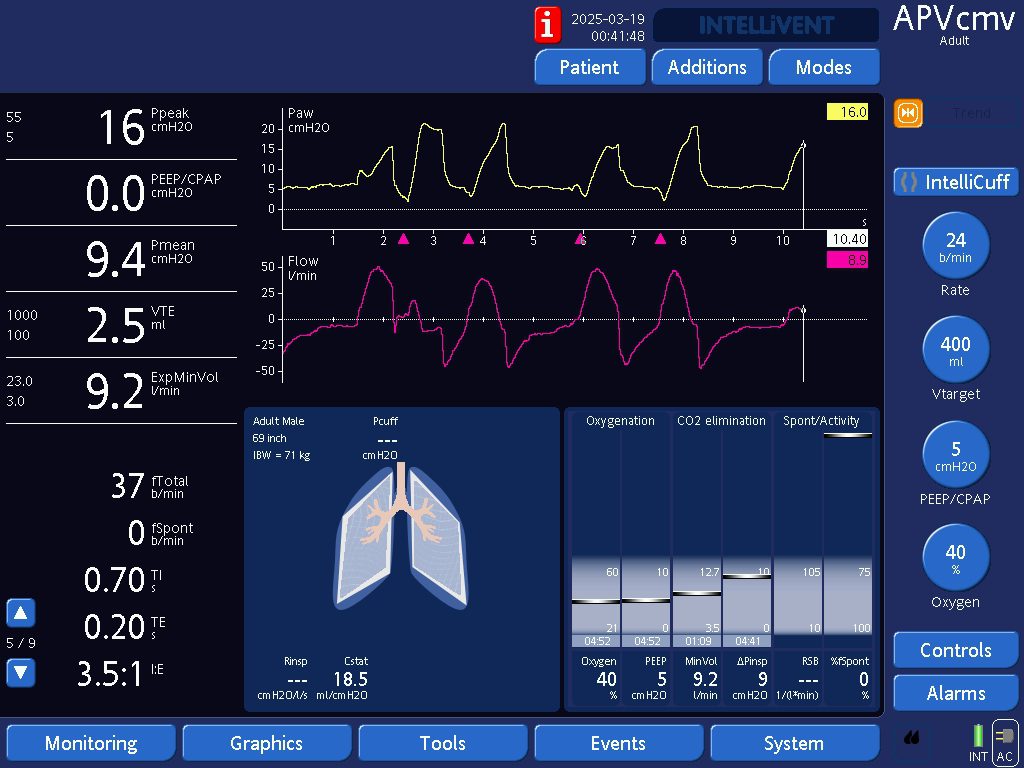
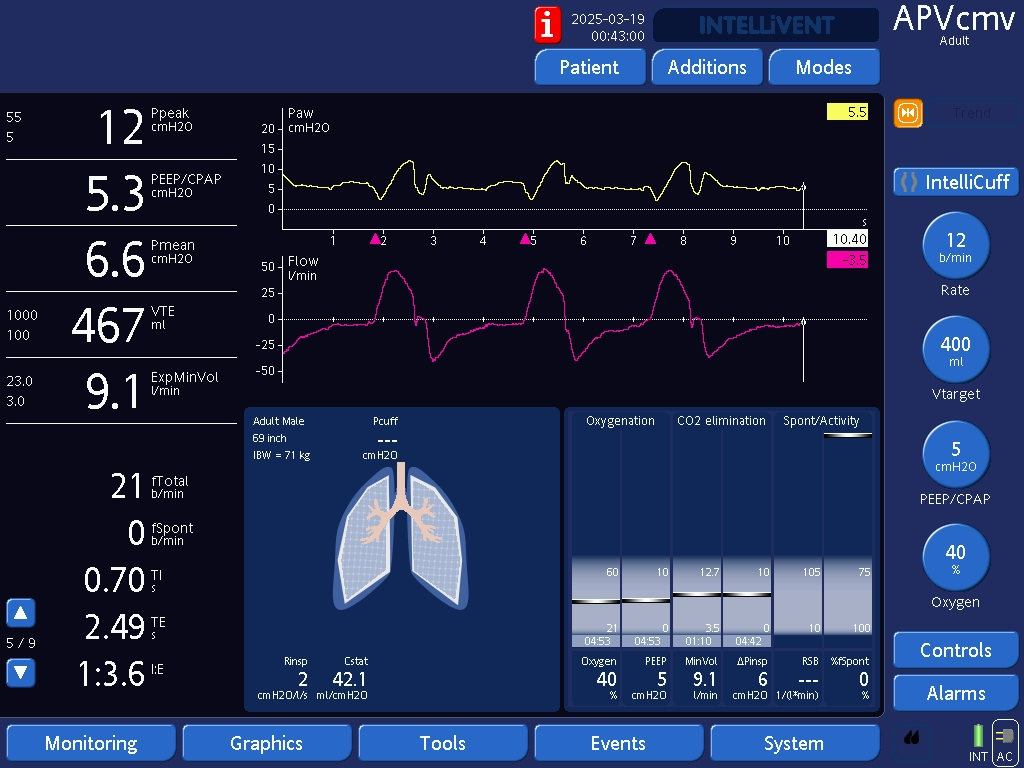
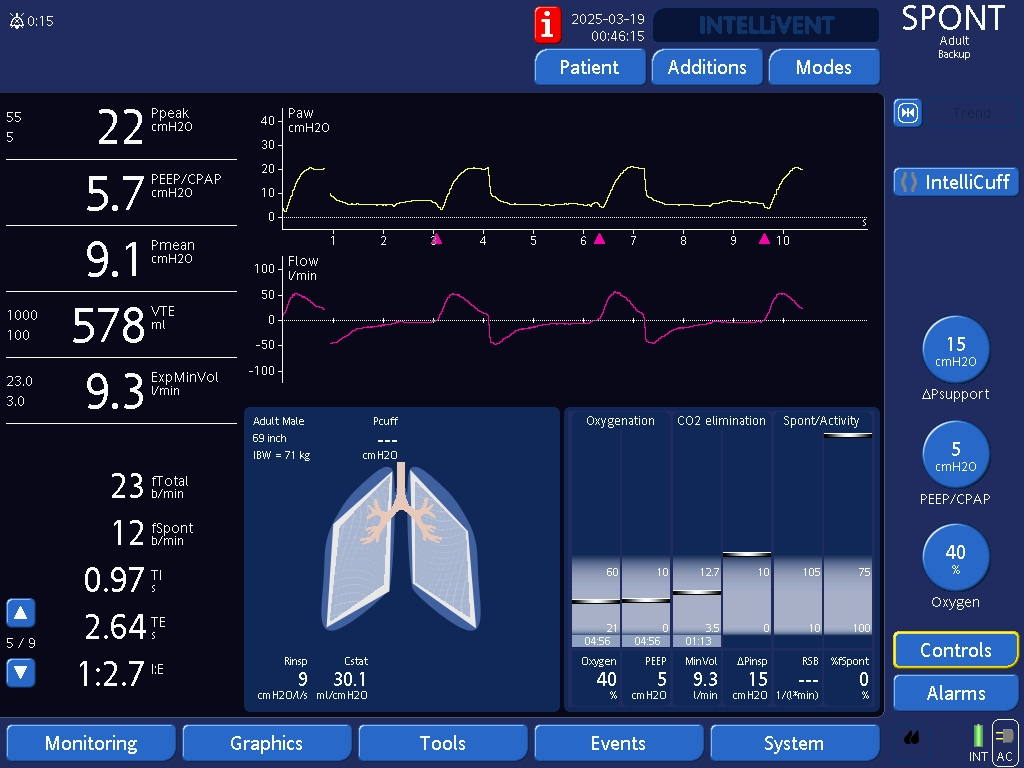
Early Trigger Leading to Double Triggering – Stacked Tidal Volumes and Target Variable
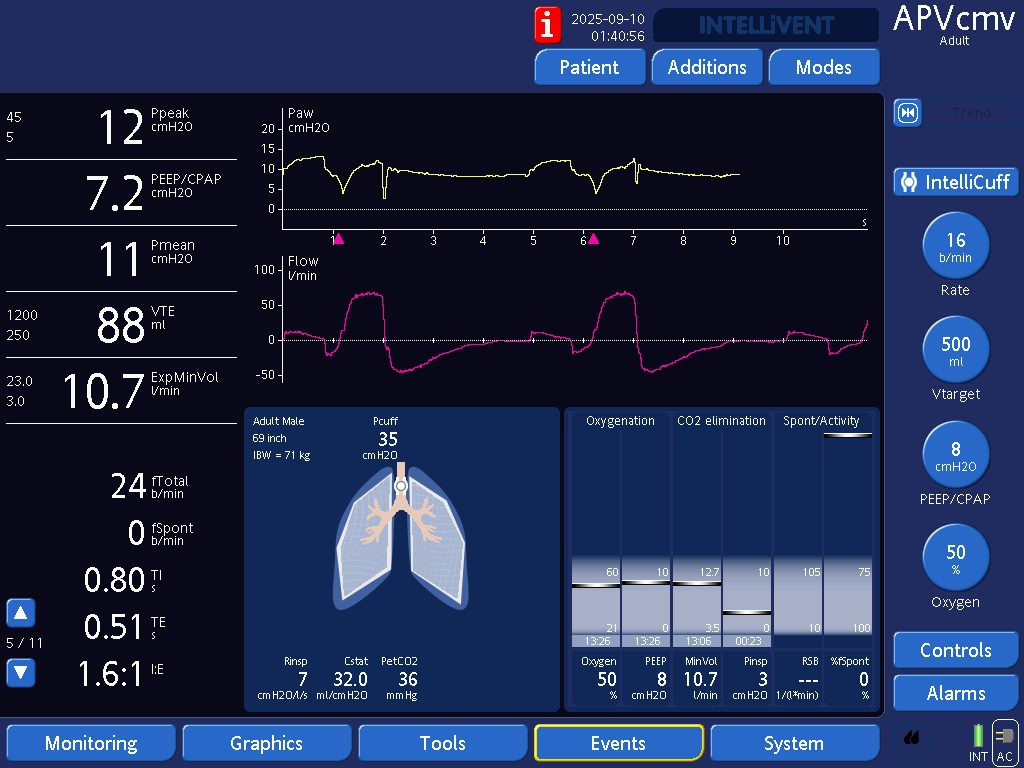
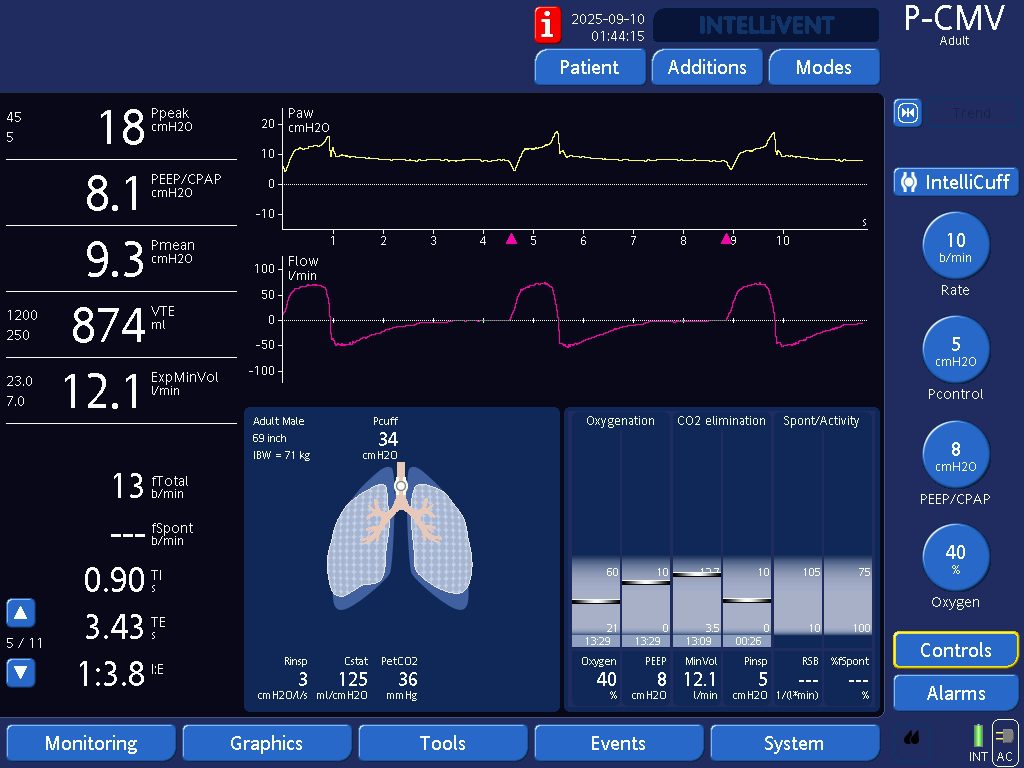
Consequences of Double Triggering in VC
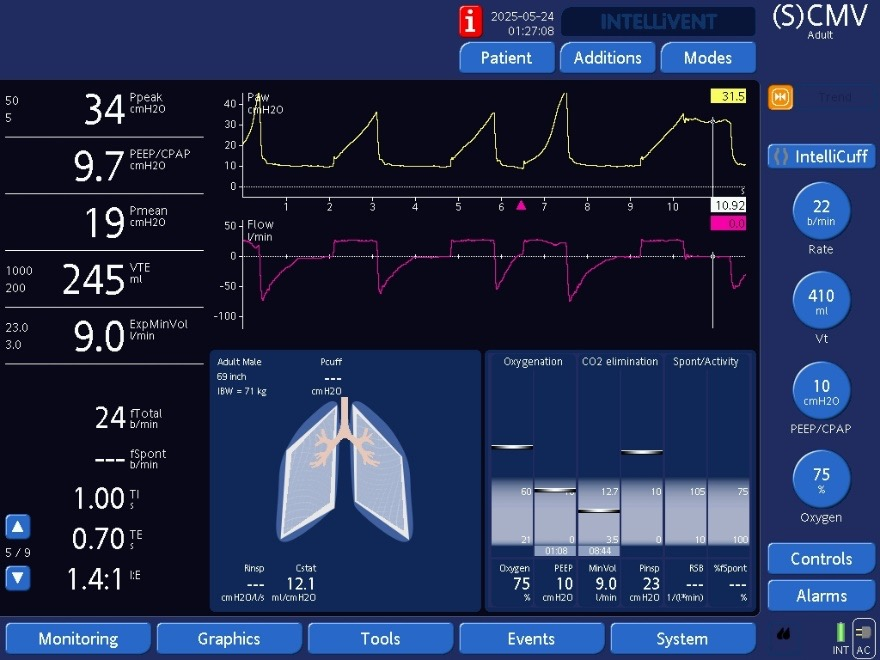
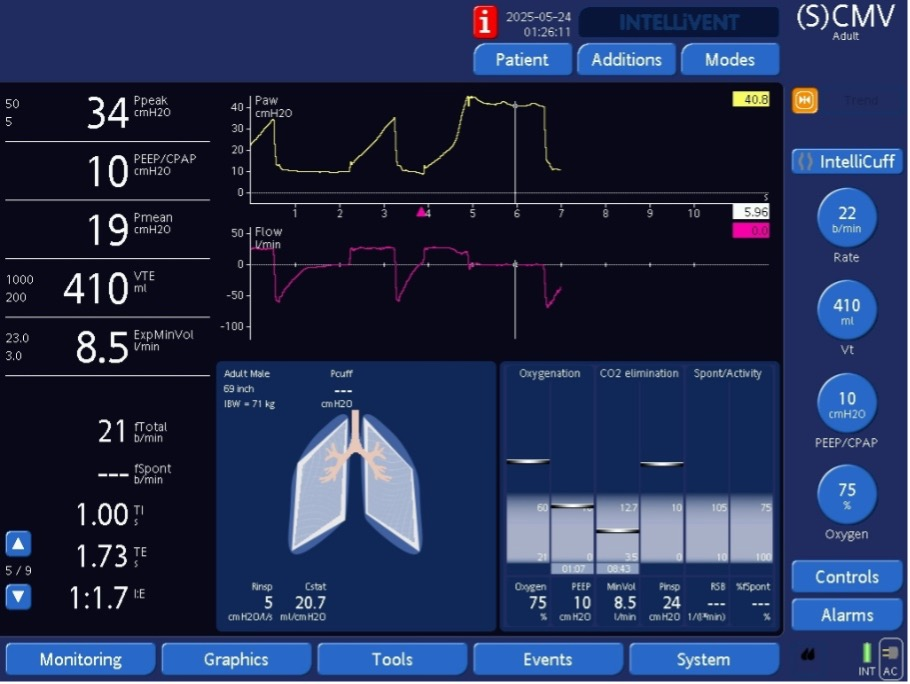
False Trigger Due to Fluid Build up in the Ventilator Circuit
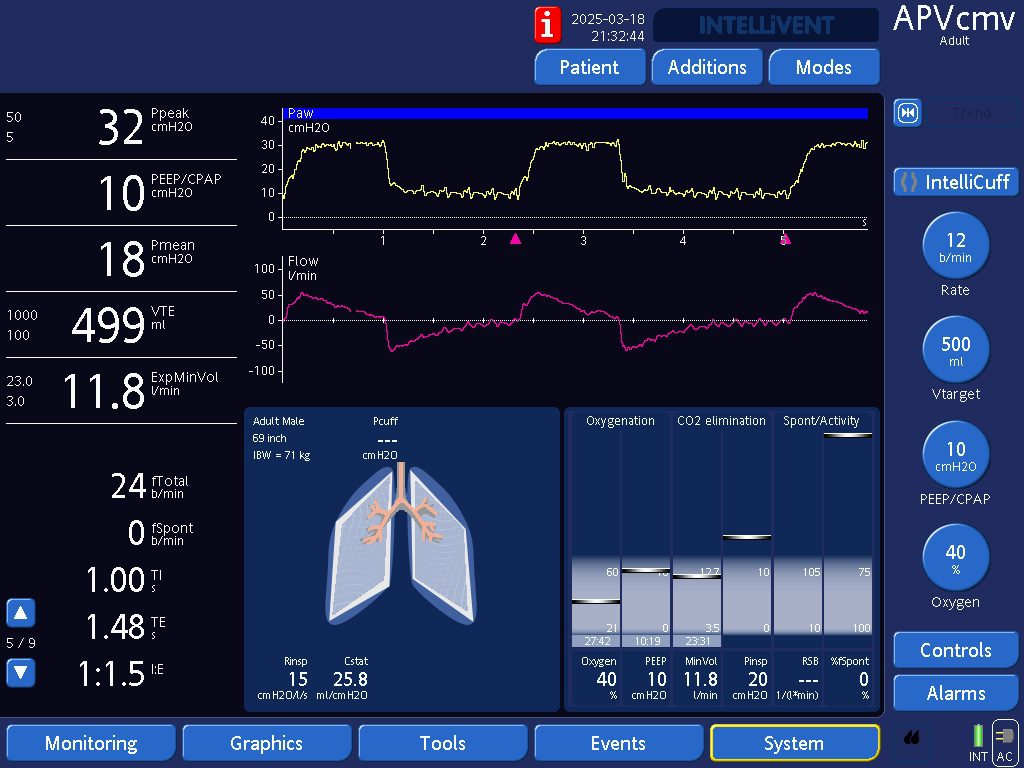
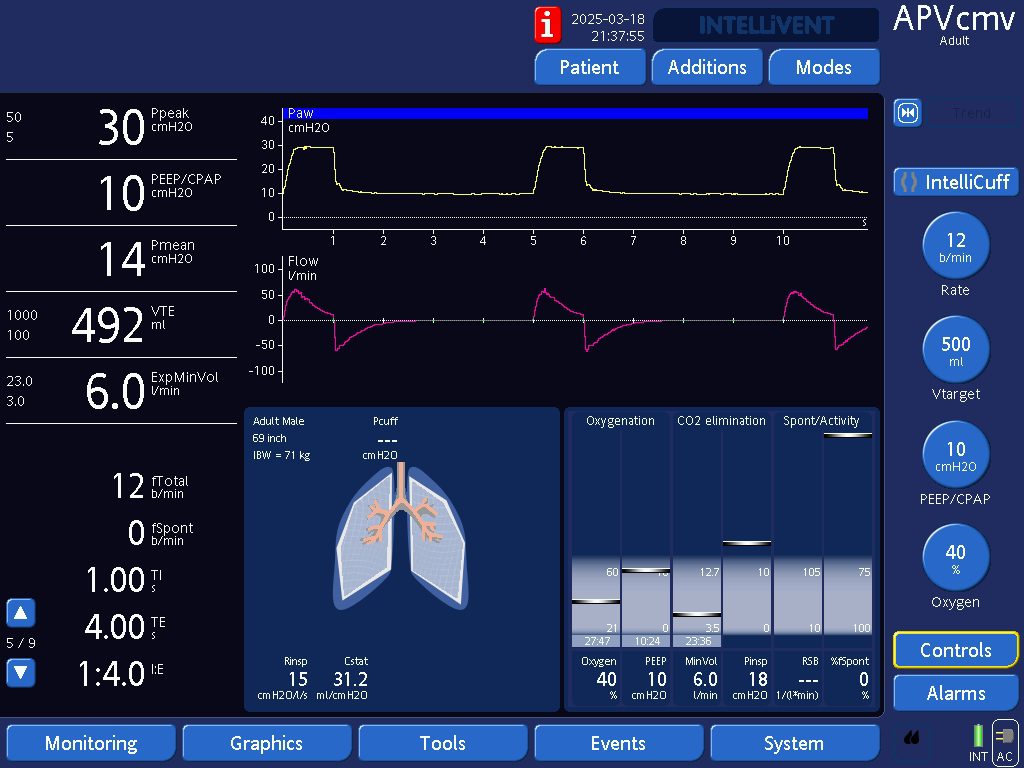
False Trigger from Patient-Ventilator Disconnection
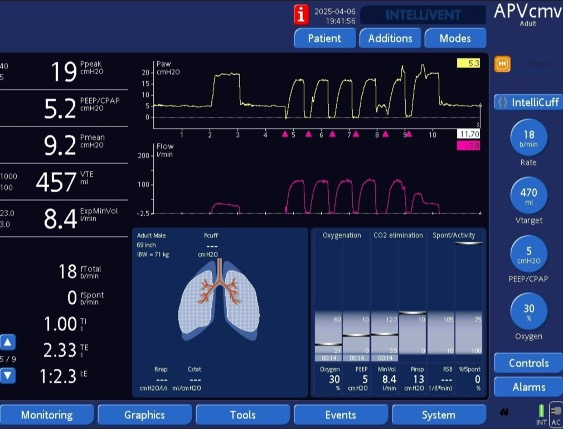
False Trigger Confirmed by Esophageal Pressure Monitor
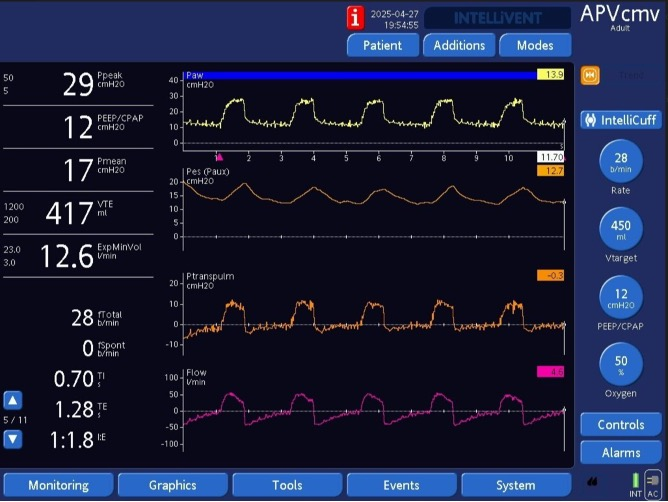
Discerning True versus False Trigger
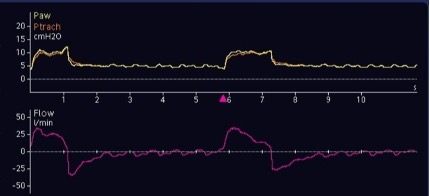
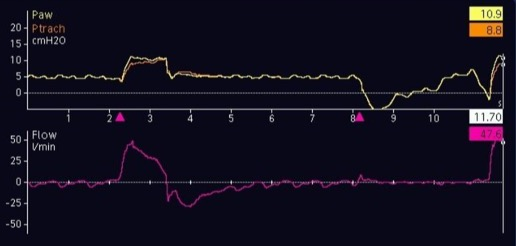
Failed or Ineffective Trigger in a Patient with Neuromuscular Weakness
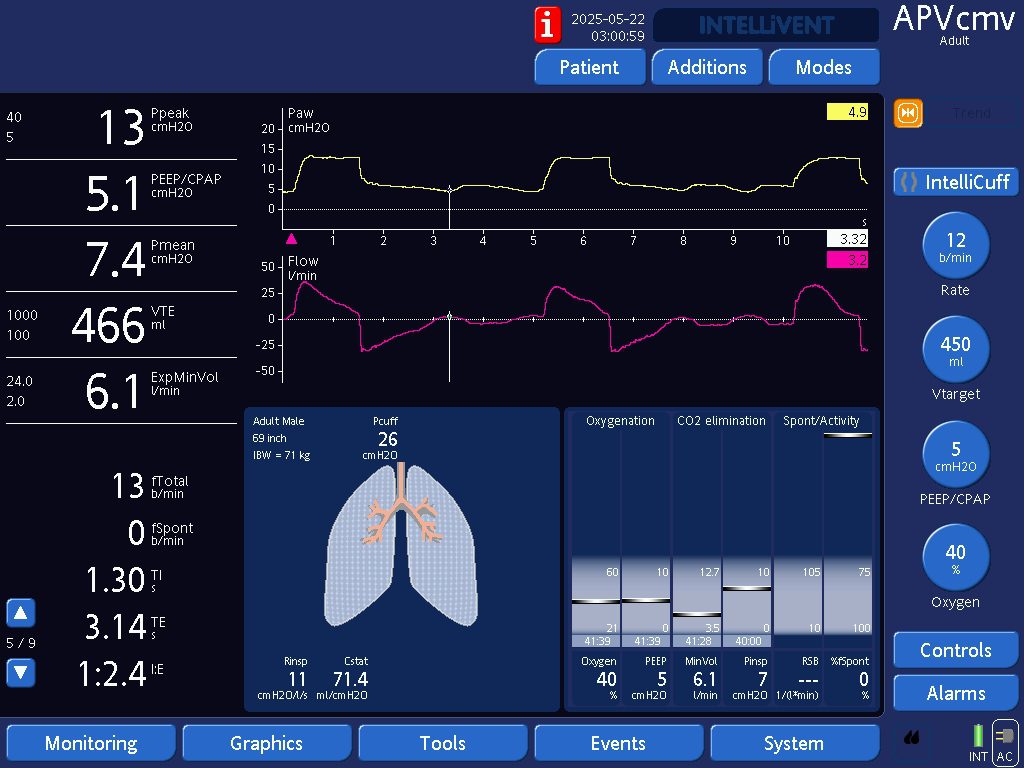
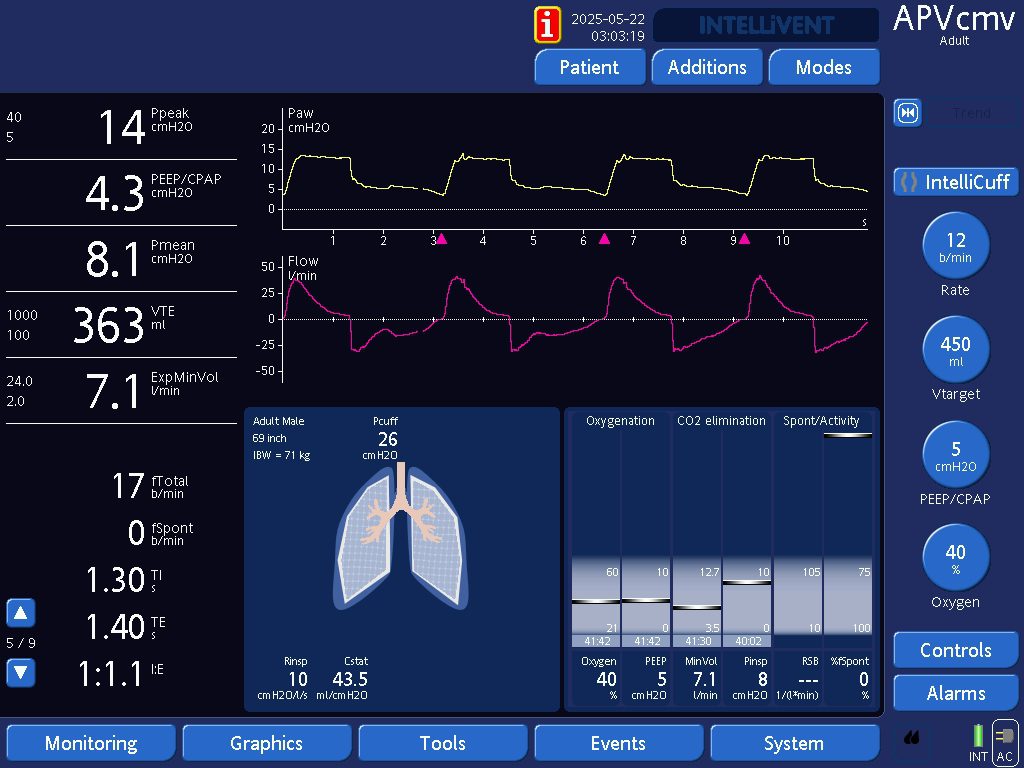
Failed or Ineffective Trigger in a Patient with COPD
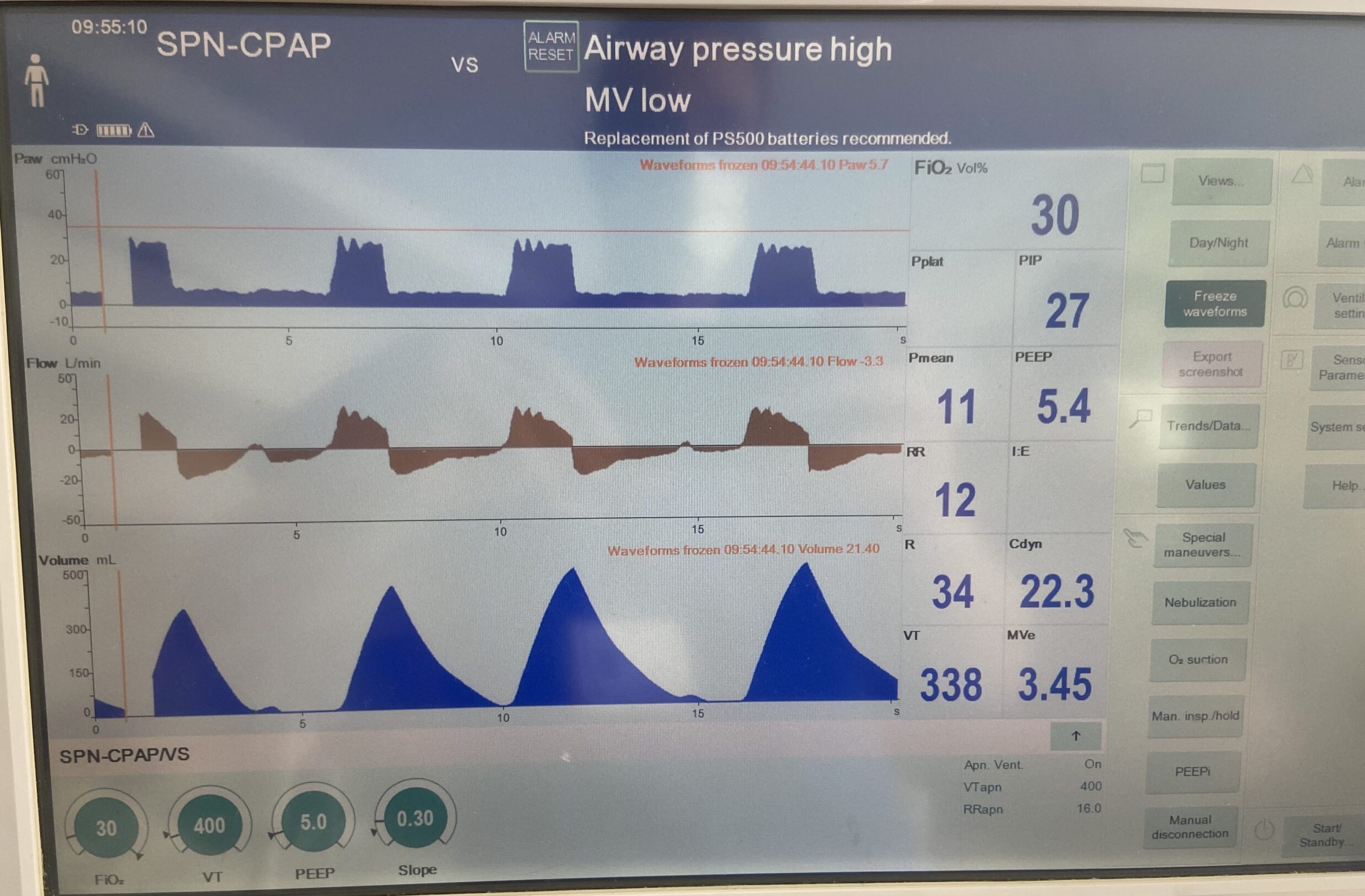
Failed Trigger in Patient with Esophageal Pressure Monitor
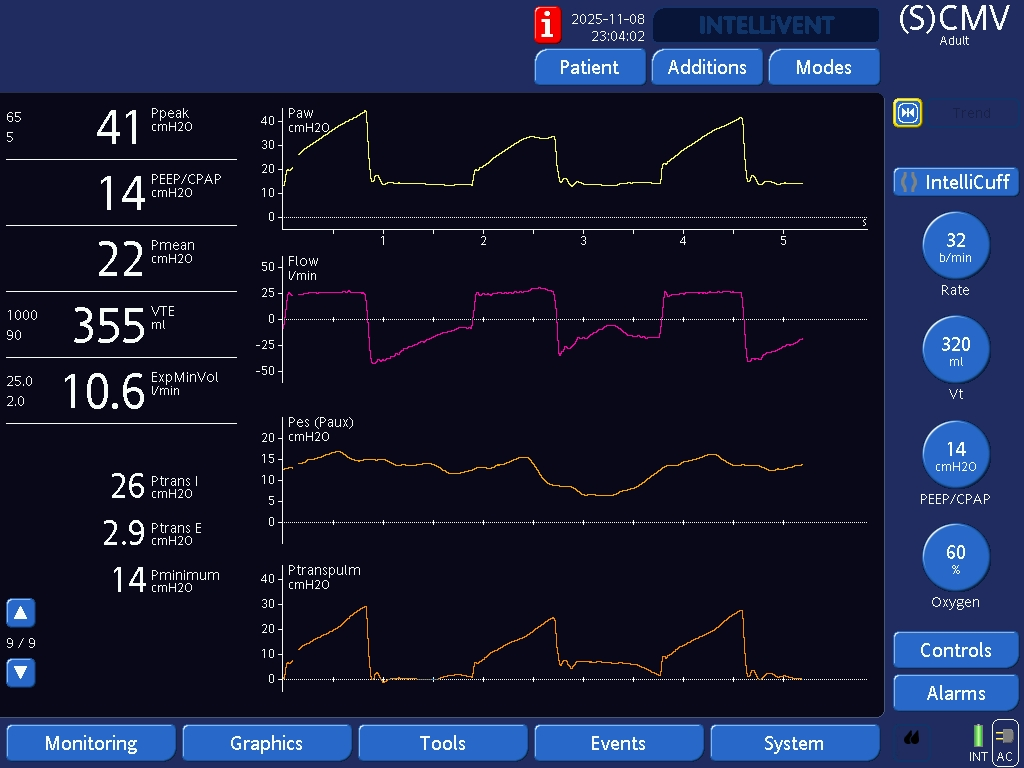
Work Shifting
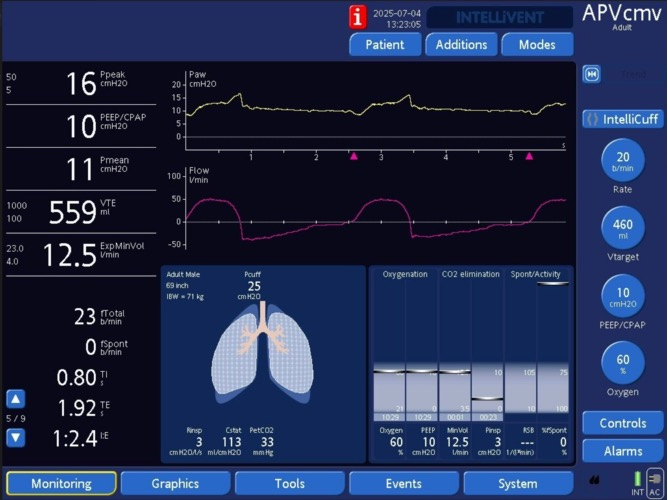
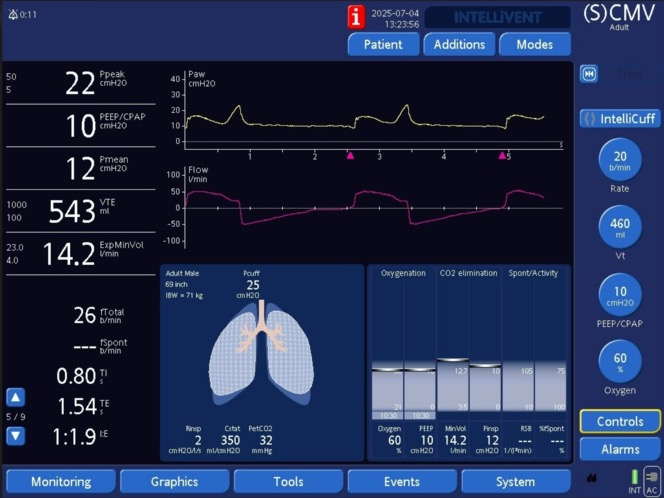
Work Shifting on Autoflow
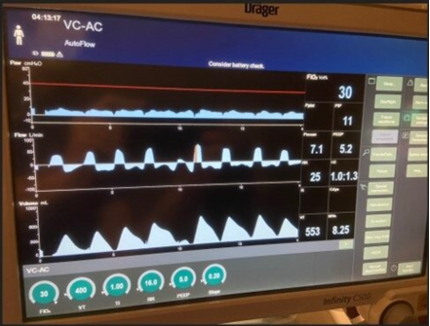
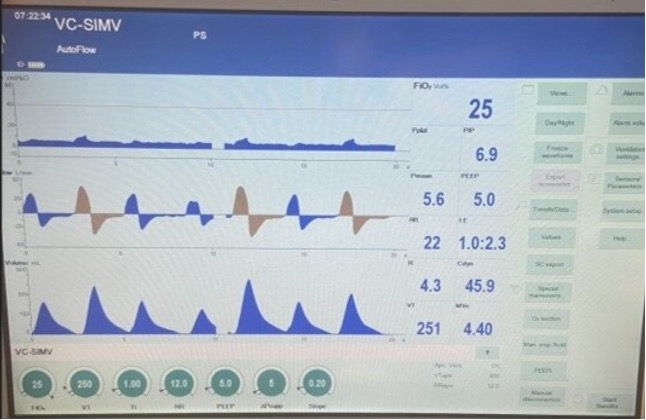
Work Shifting on Autoflow: Comparison Against Pressure Support
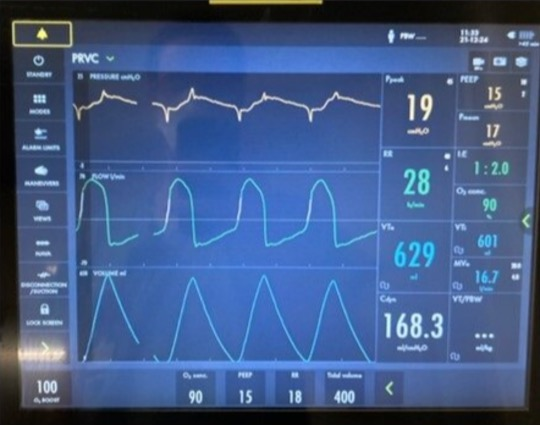
Work Shifting on PRVC (same as APV)
Impact of Sedation on Work Shifting
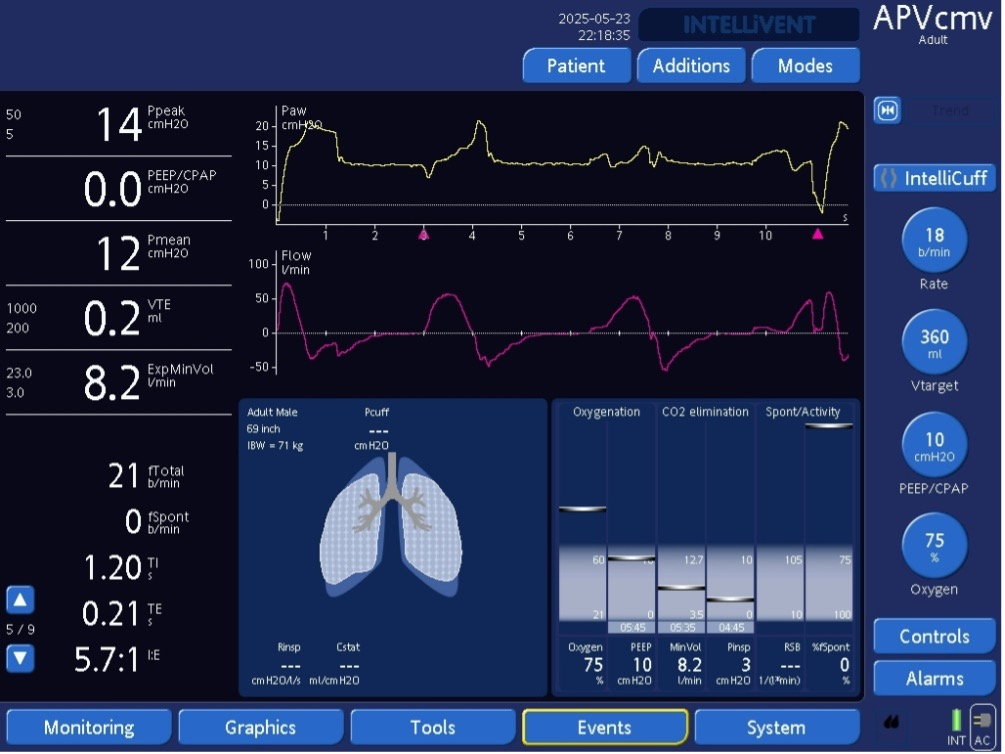
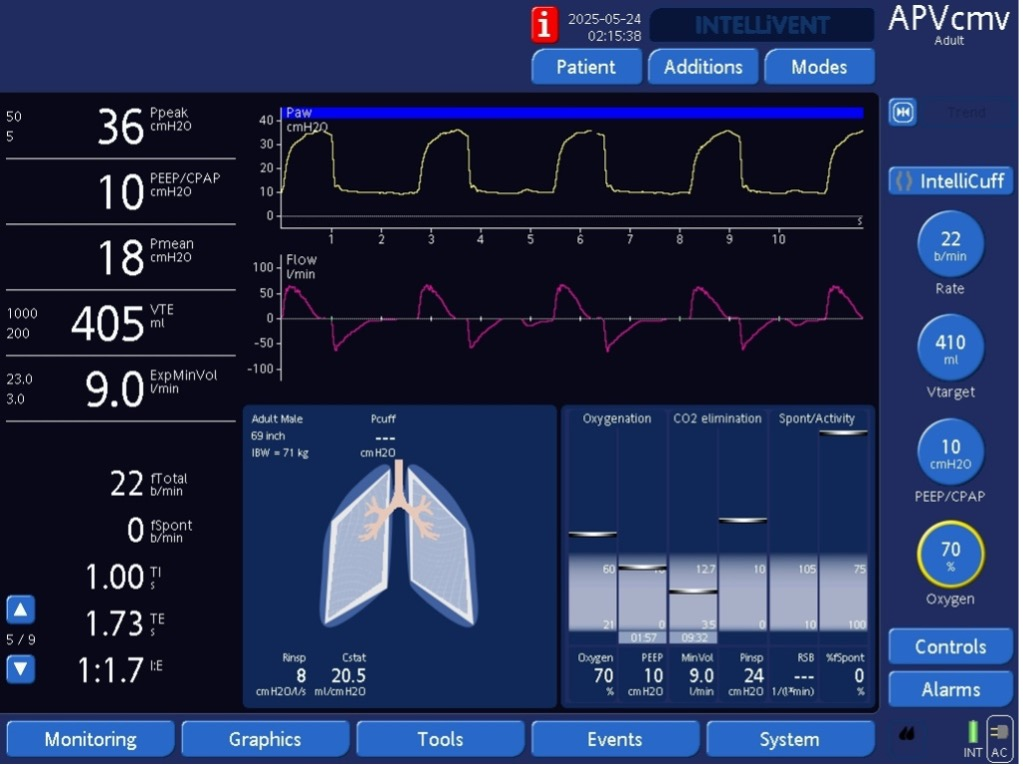
Troubleshooting Increased Work of Breathing Seen with Modes Using an Adaptive Targeting Scheme
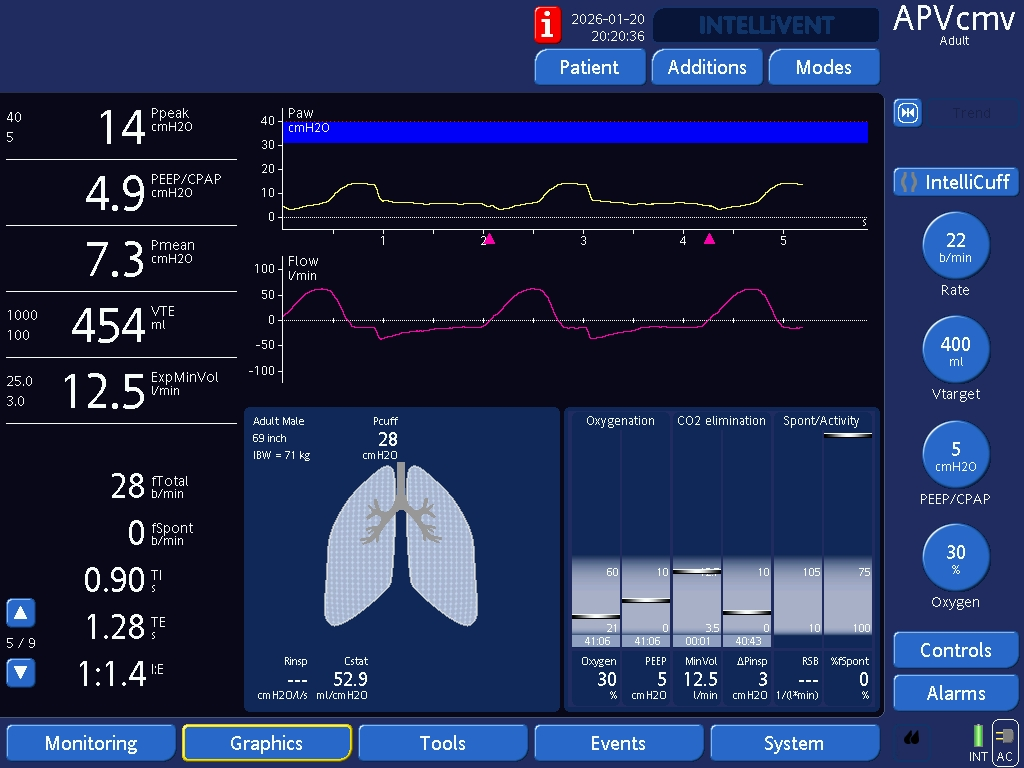
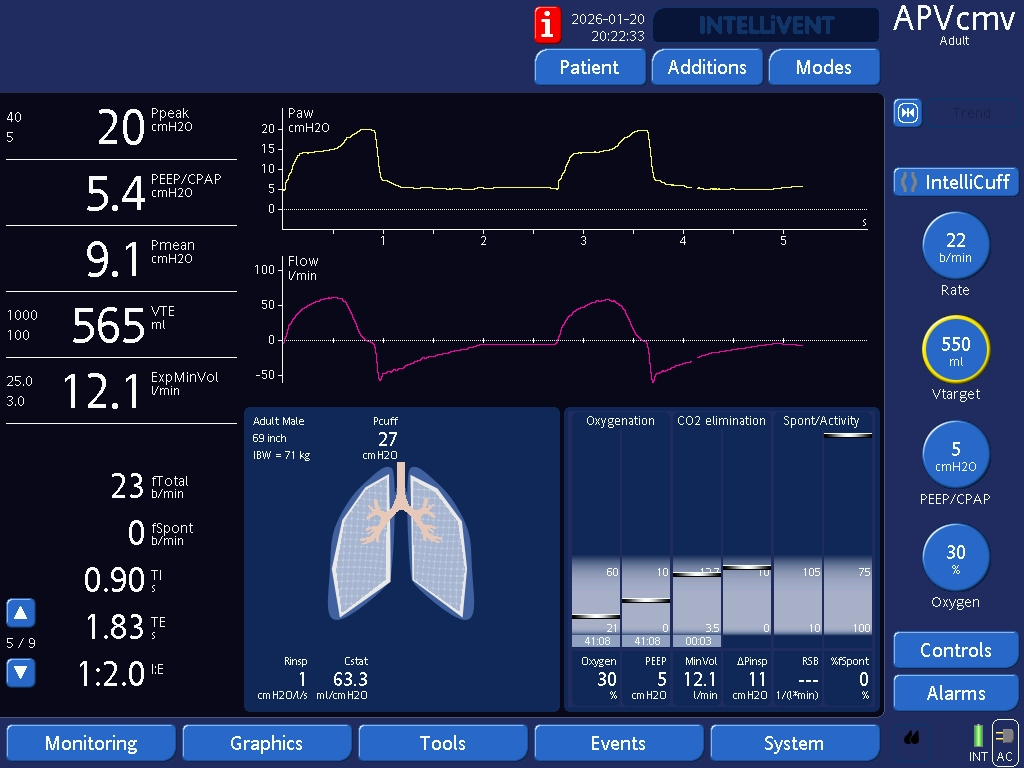
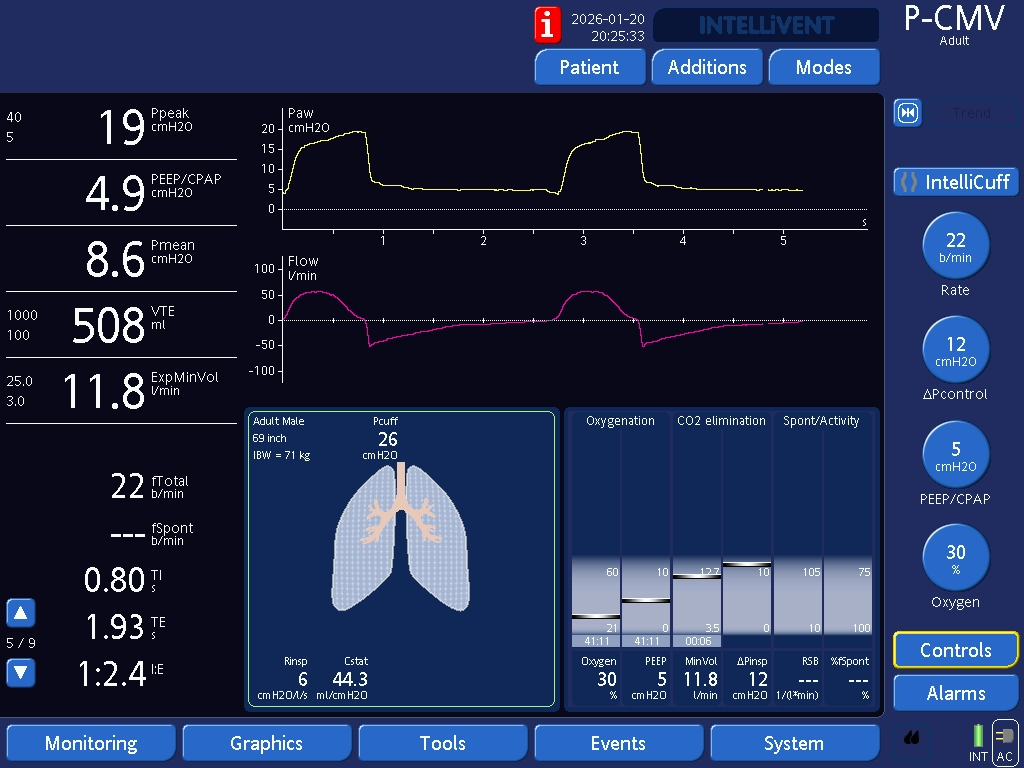
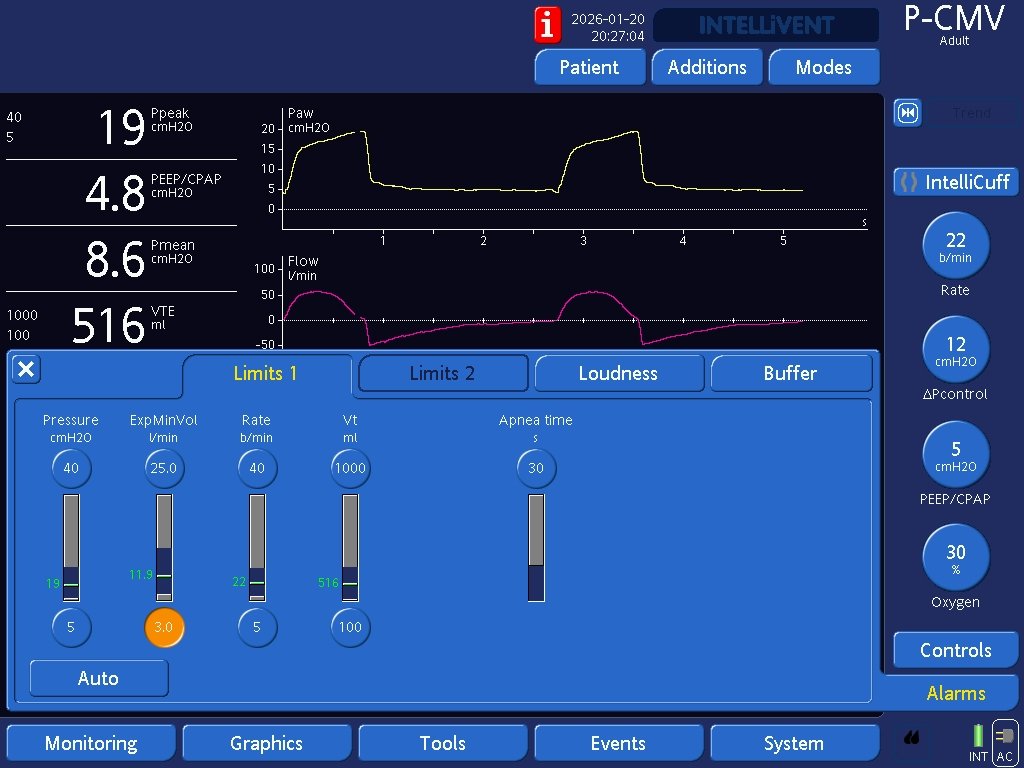
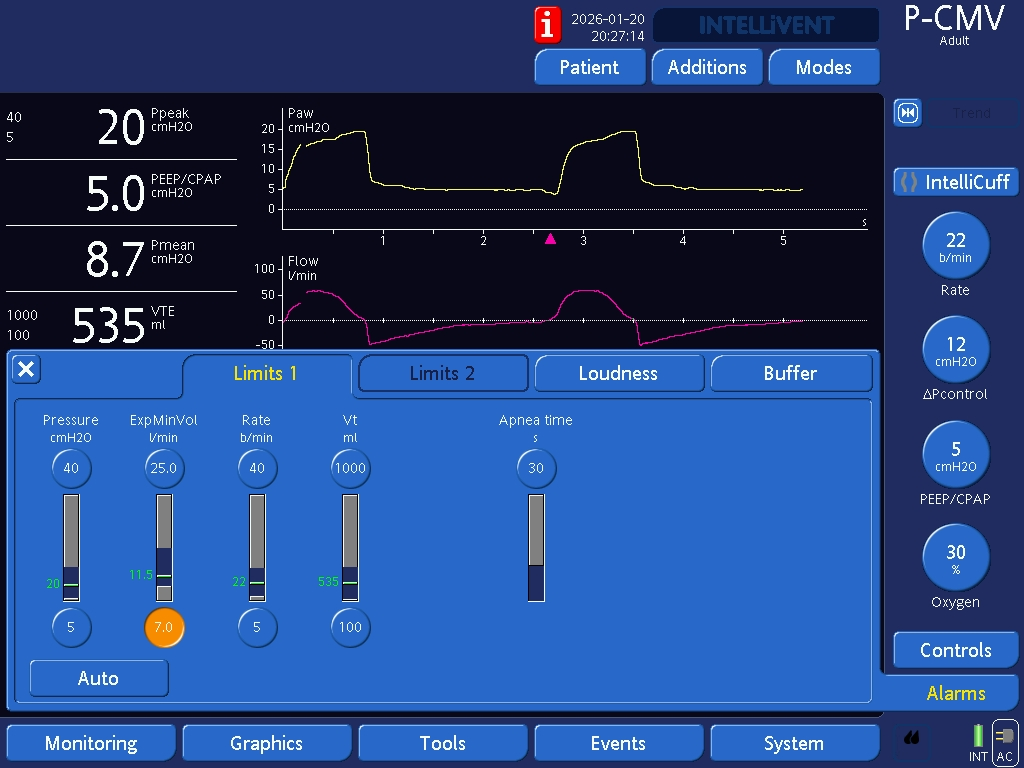
Tidal Volumes Higher Than Desired on APV Cannot Be Fixed Simply By Transitioning to VC
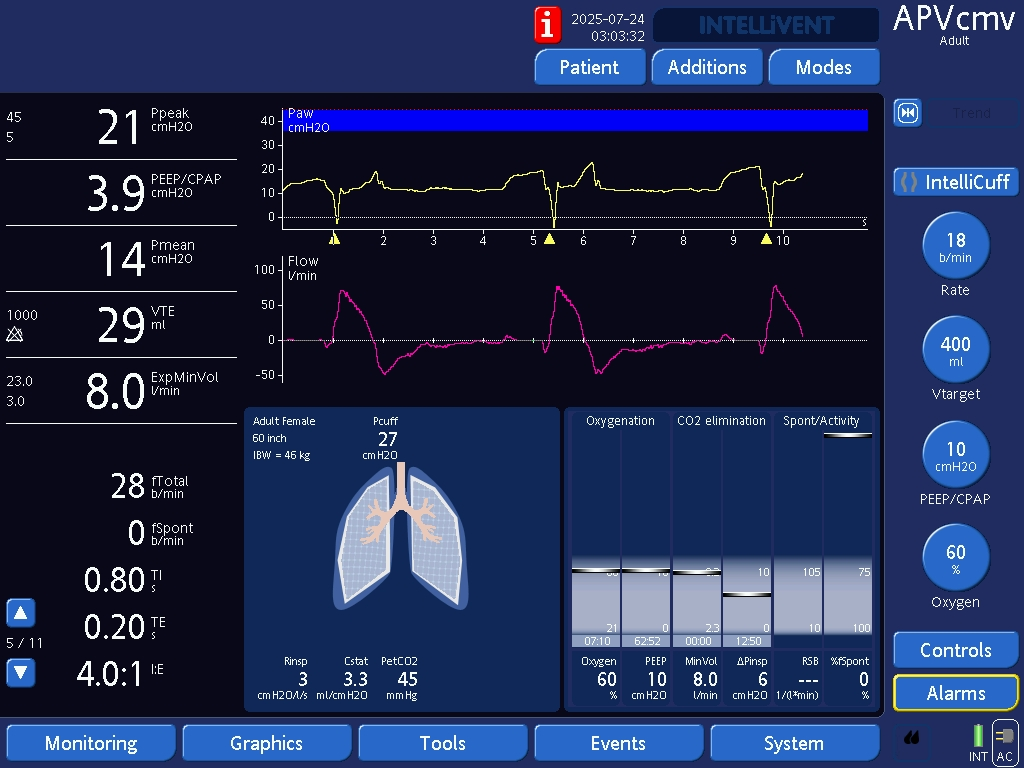
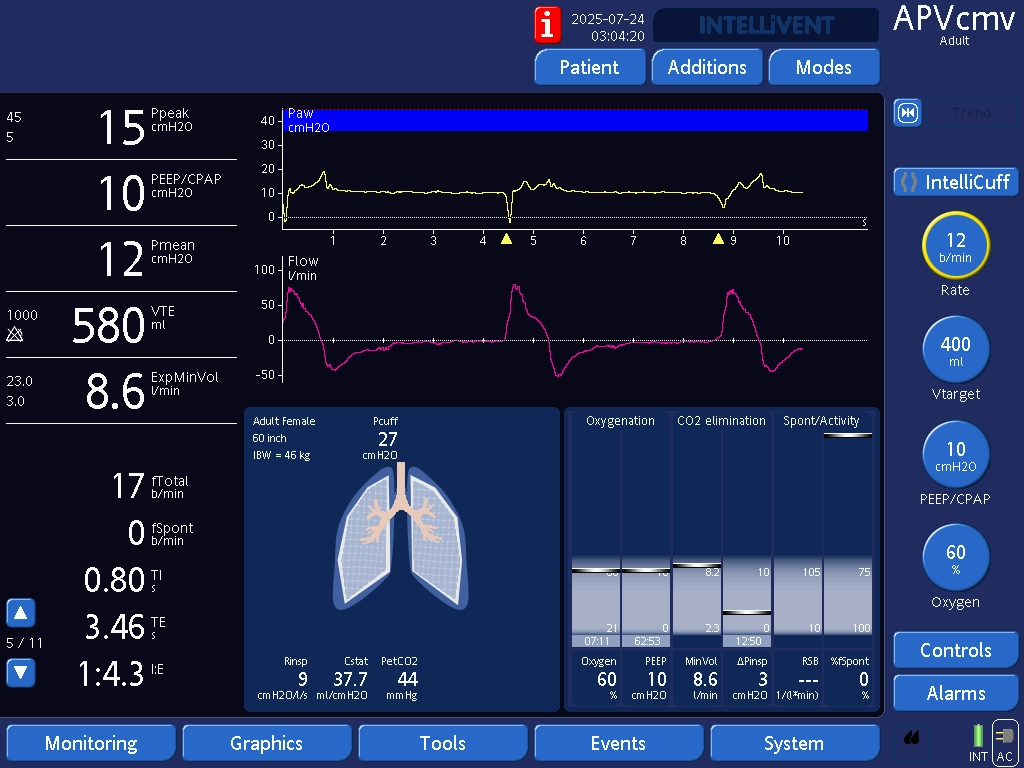
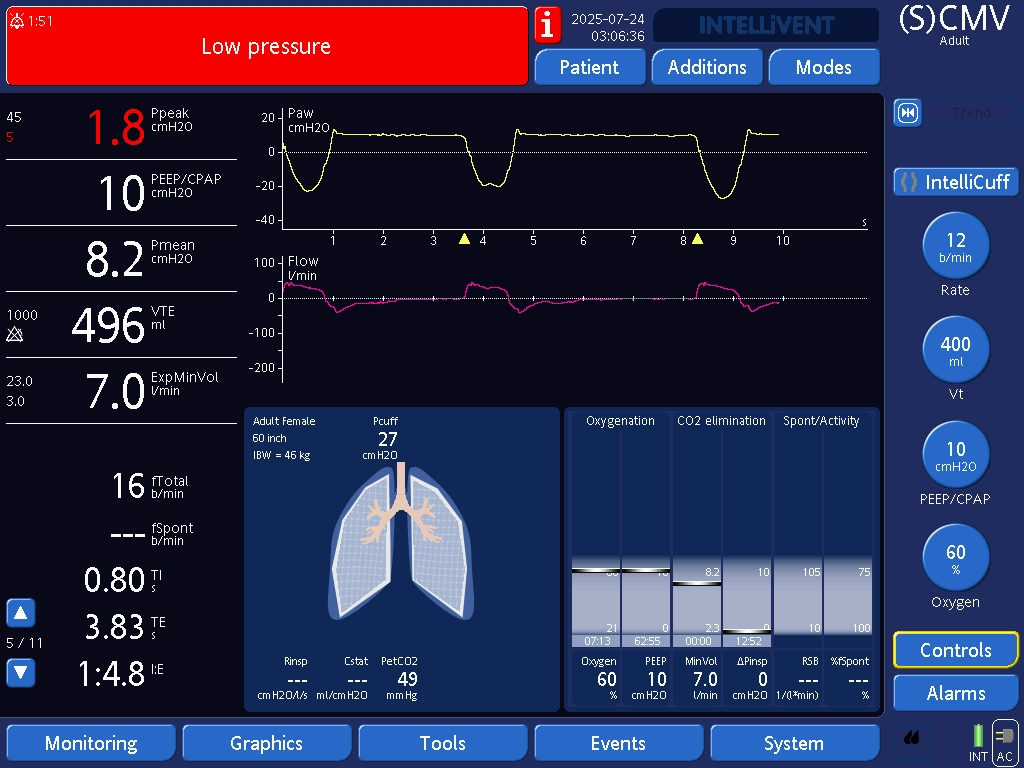
Flow Dyssynchrony/Work Shifting in VC Square Flow with Troubleshooting
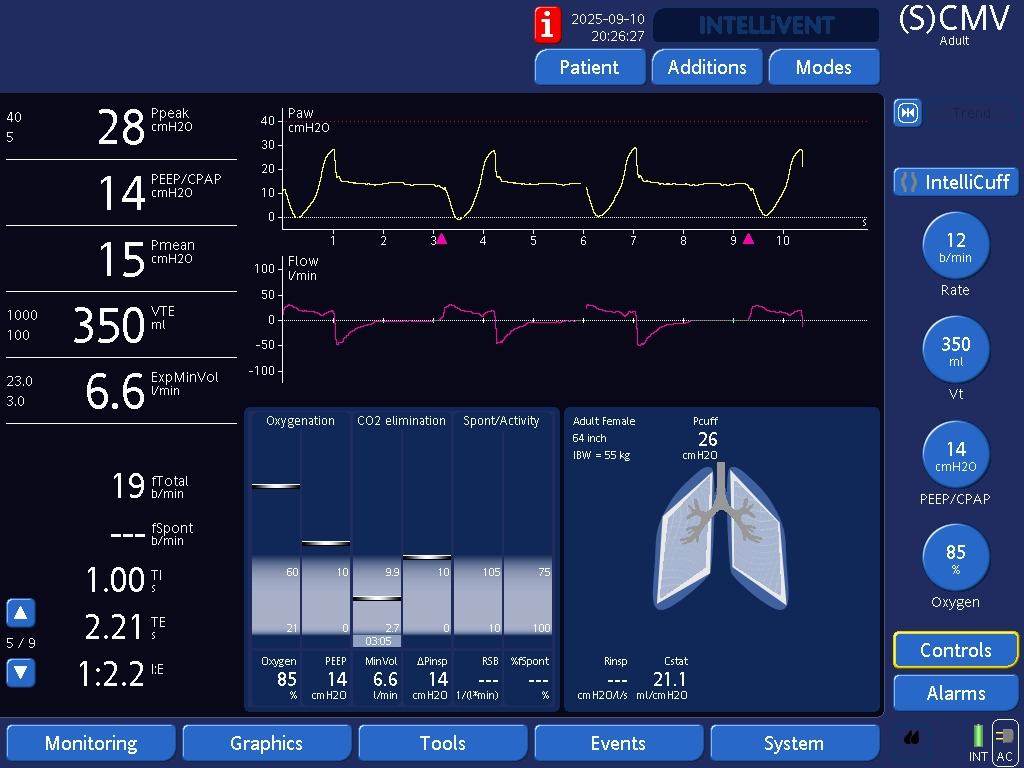
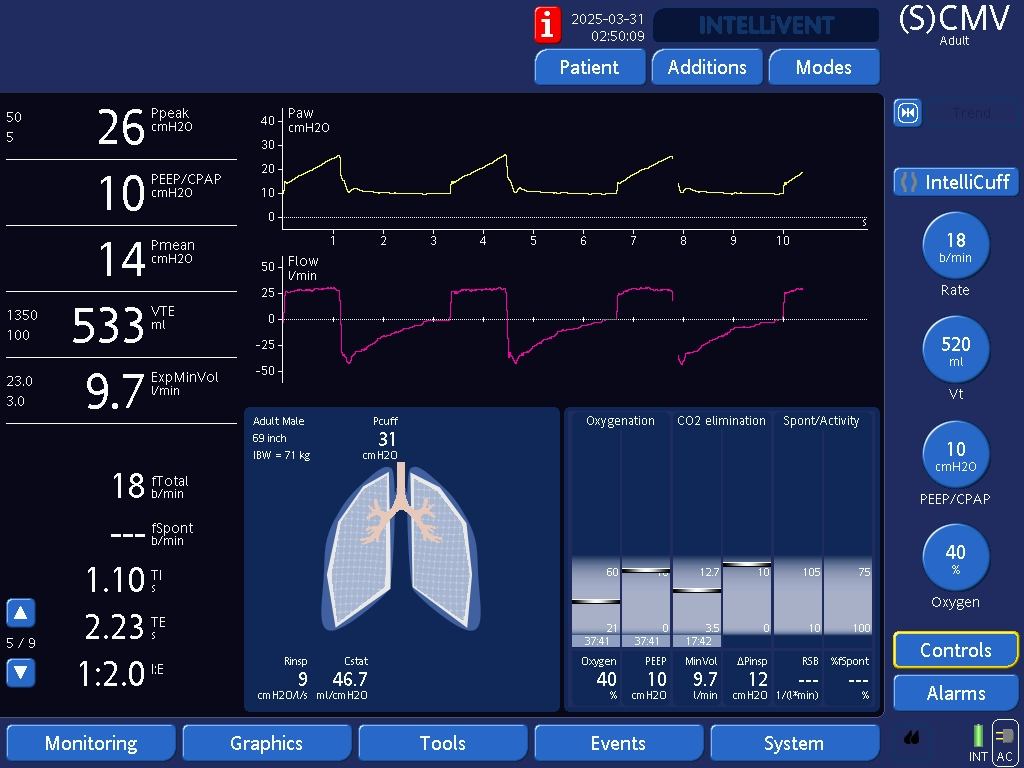
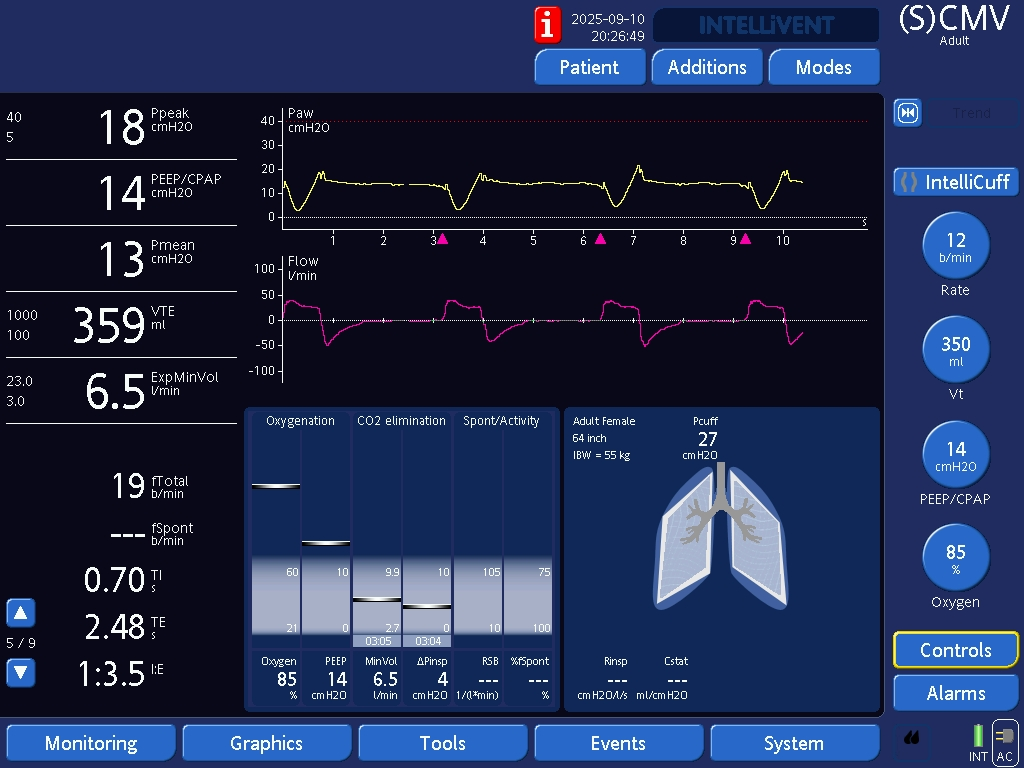
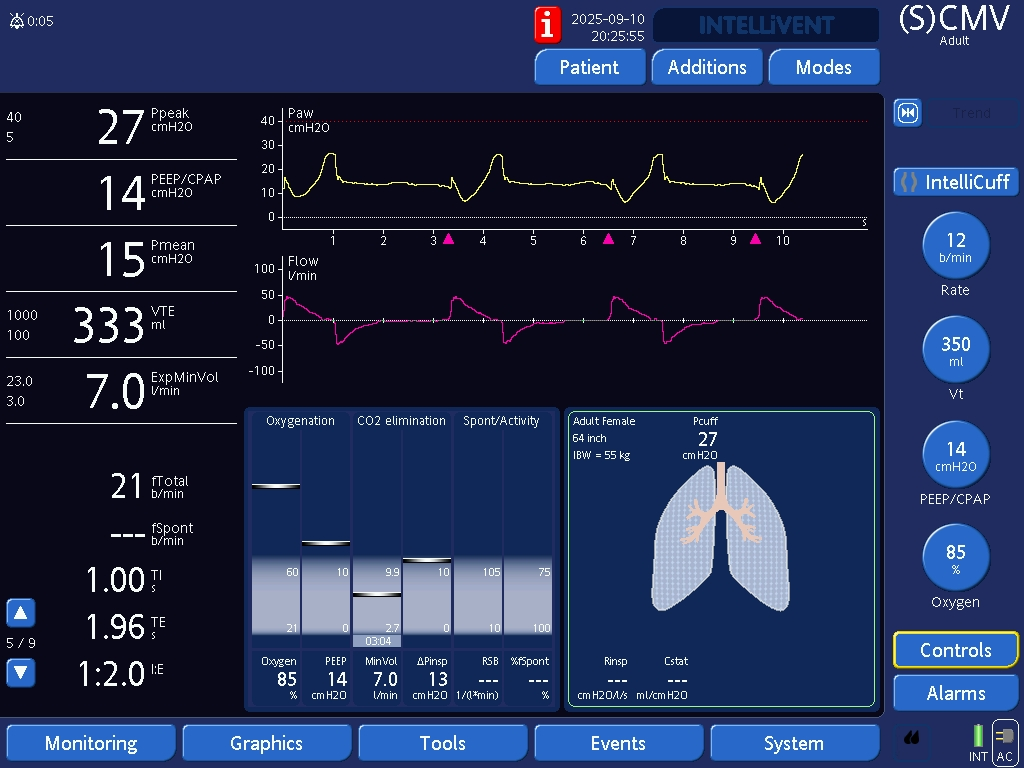
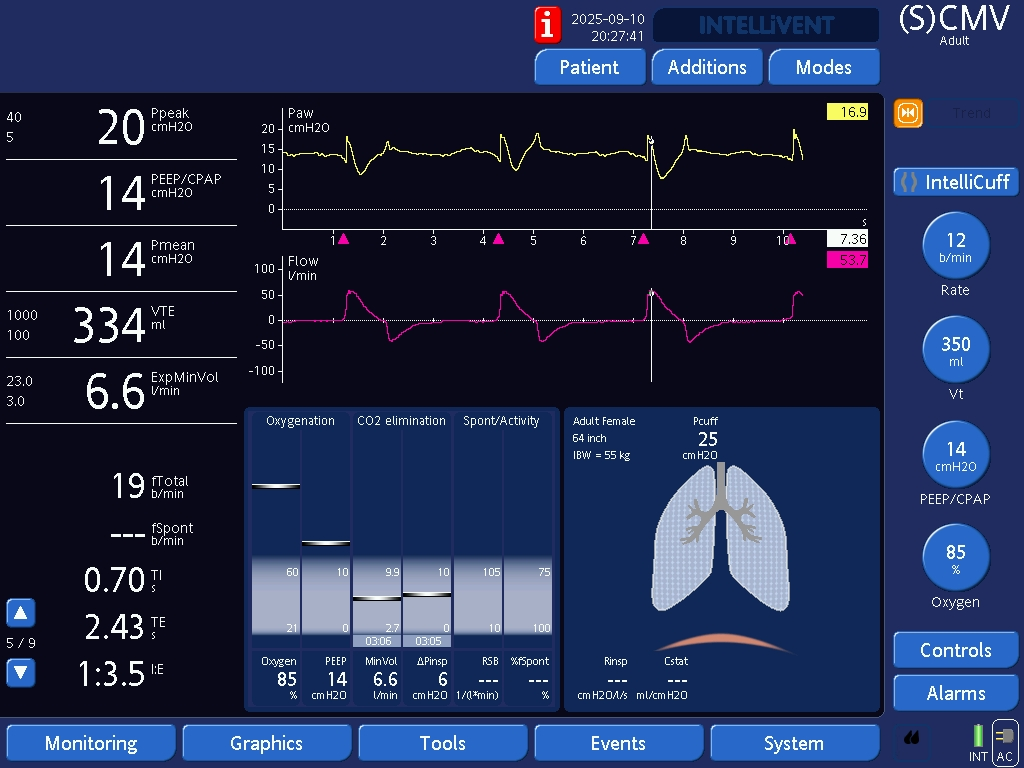
Flow Dyssynchrony/Work Shifting in VC Descending Ramp Flow with Troubleshooting
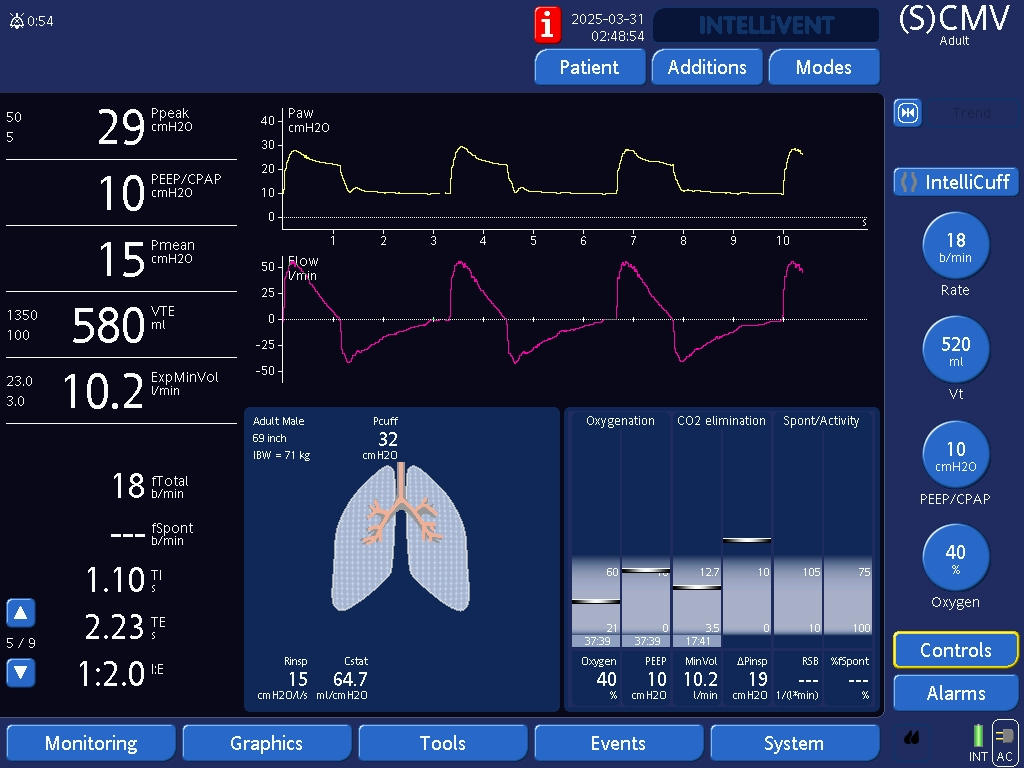
Early cycle in VC
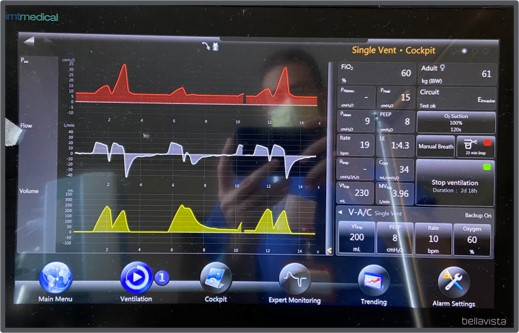
Early cycle in Pressure Support
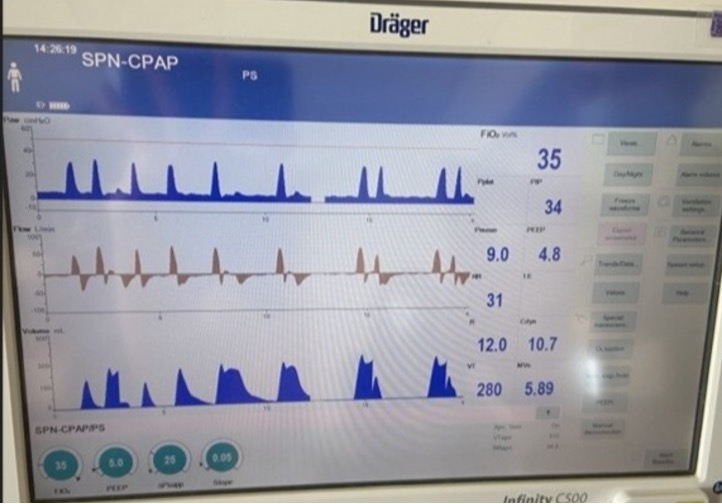
Early Cycle in Pressure Support 2
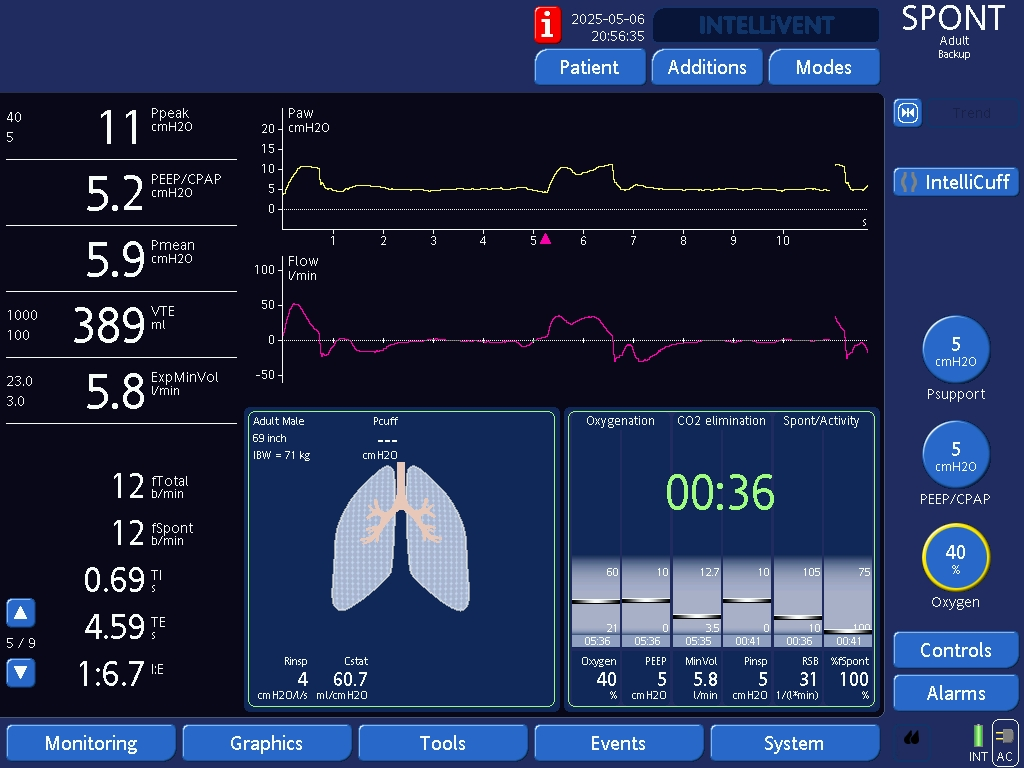
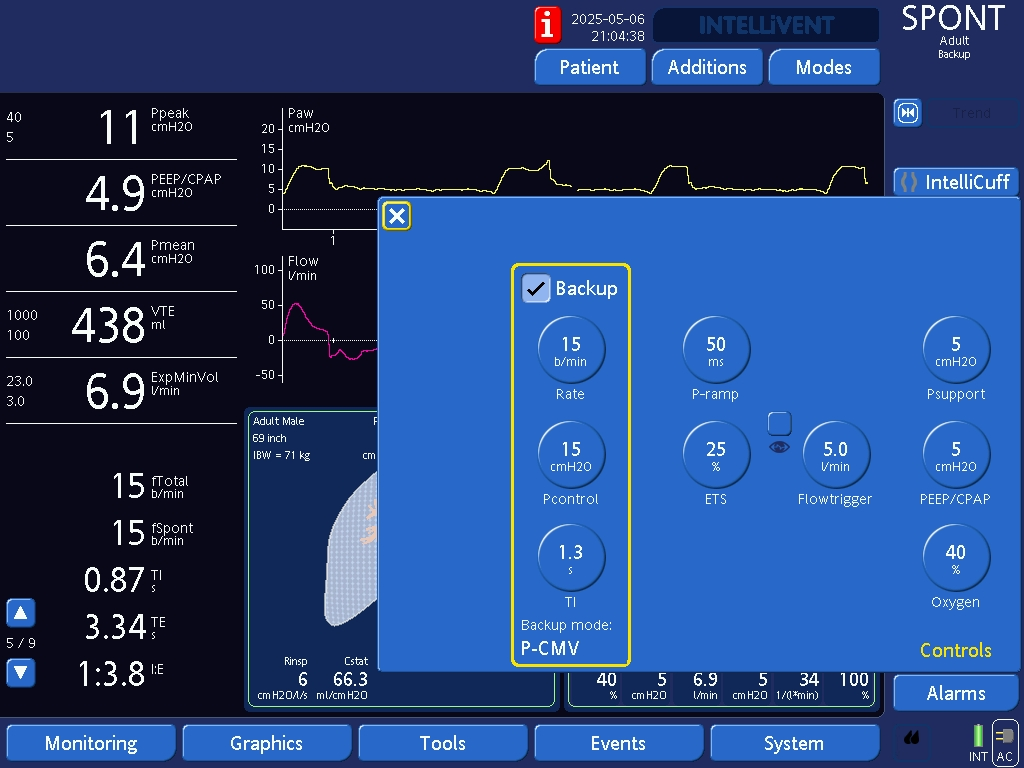
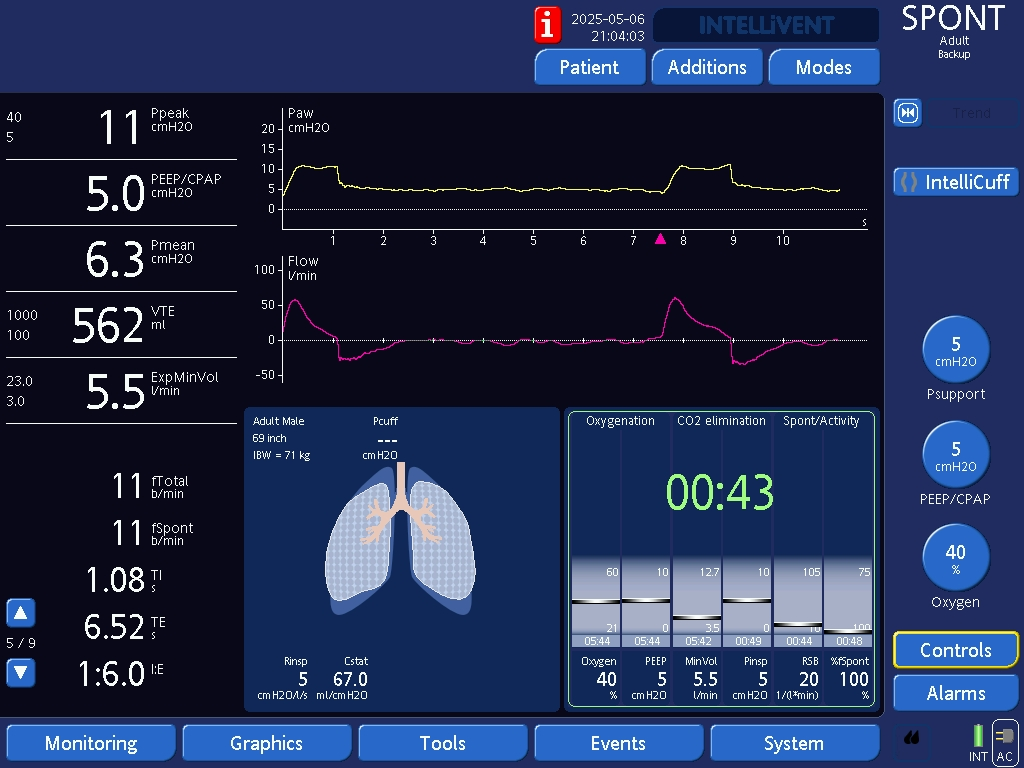
Late Cycle in APV
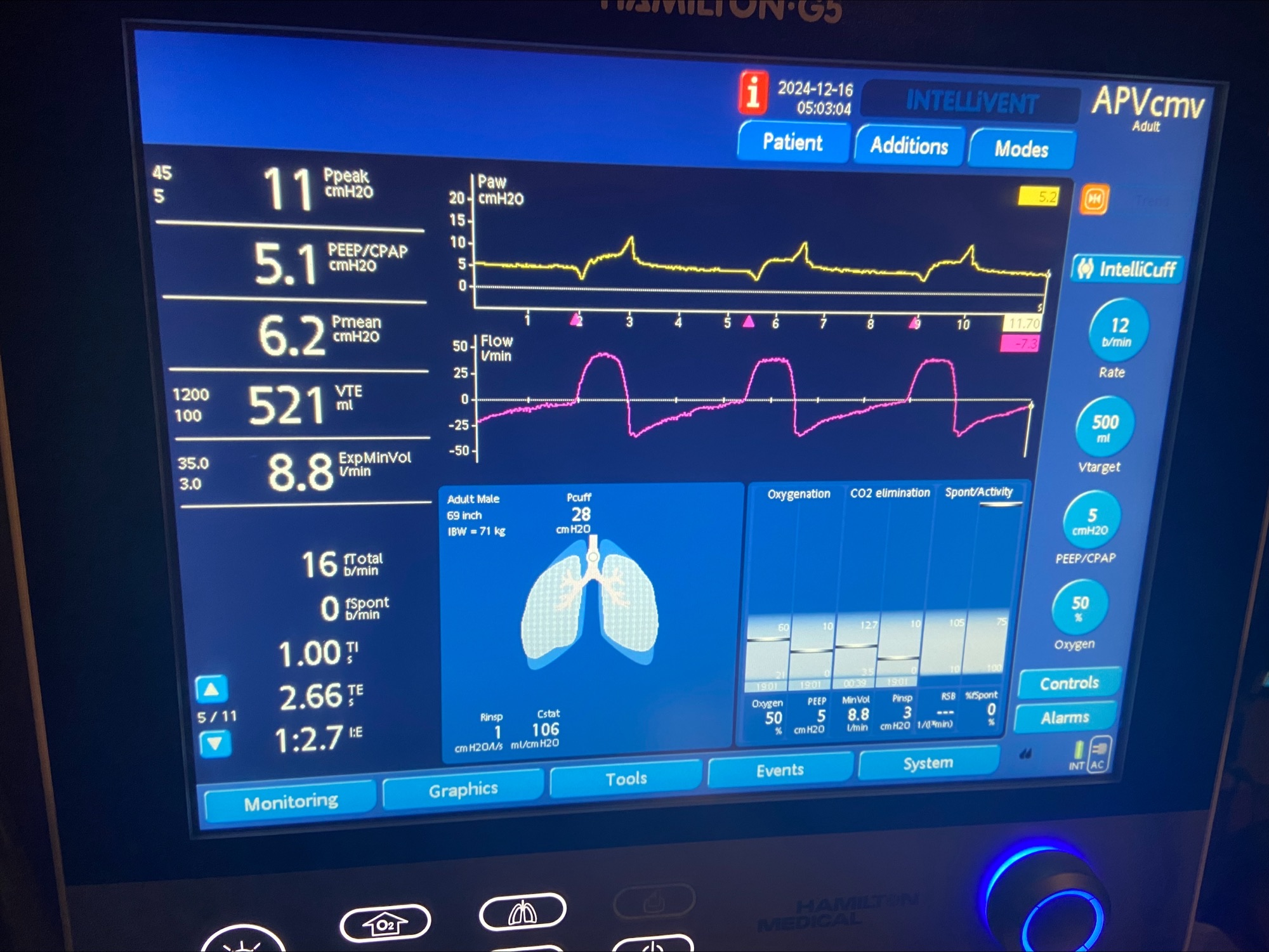
Late and Early Cycle in APV
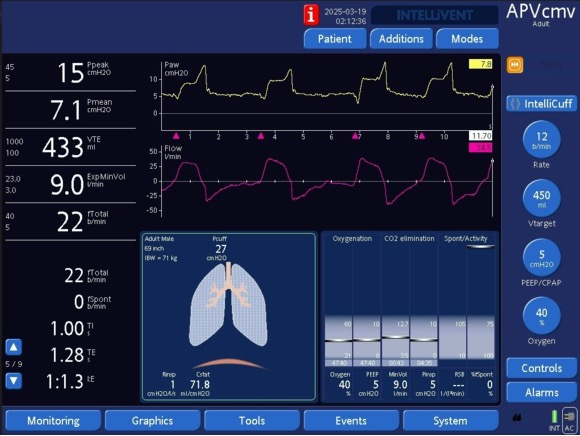
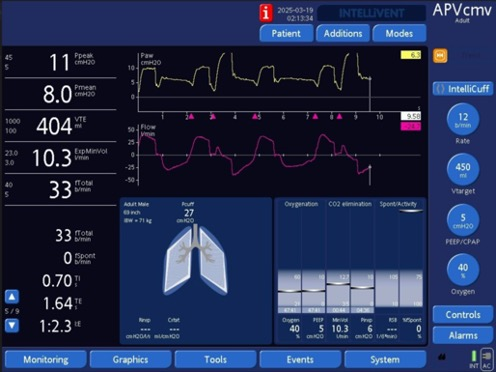
Late Cycle in Pressure Support
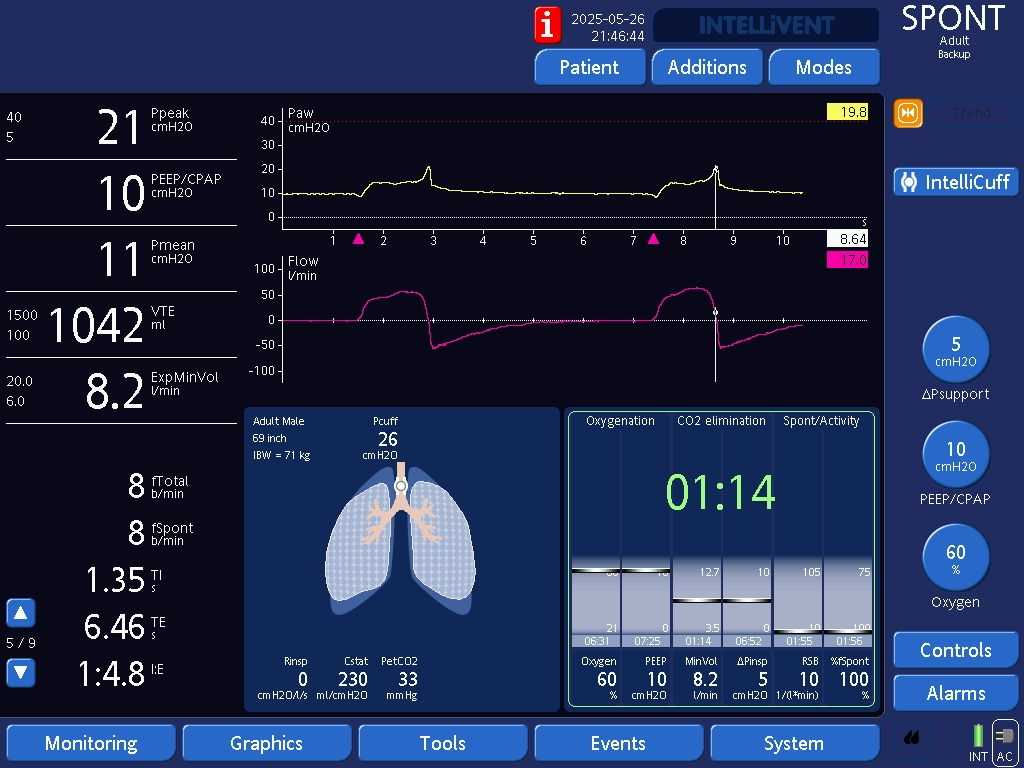
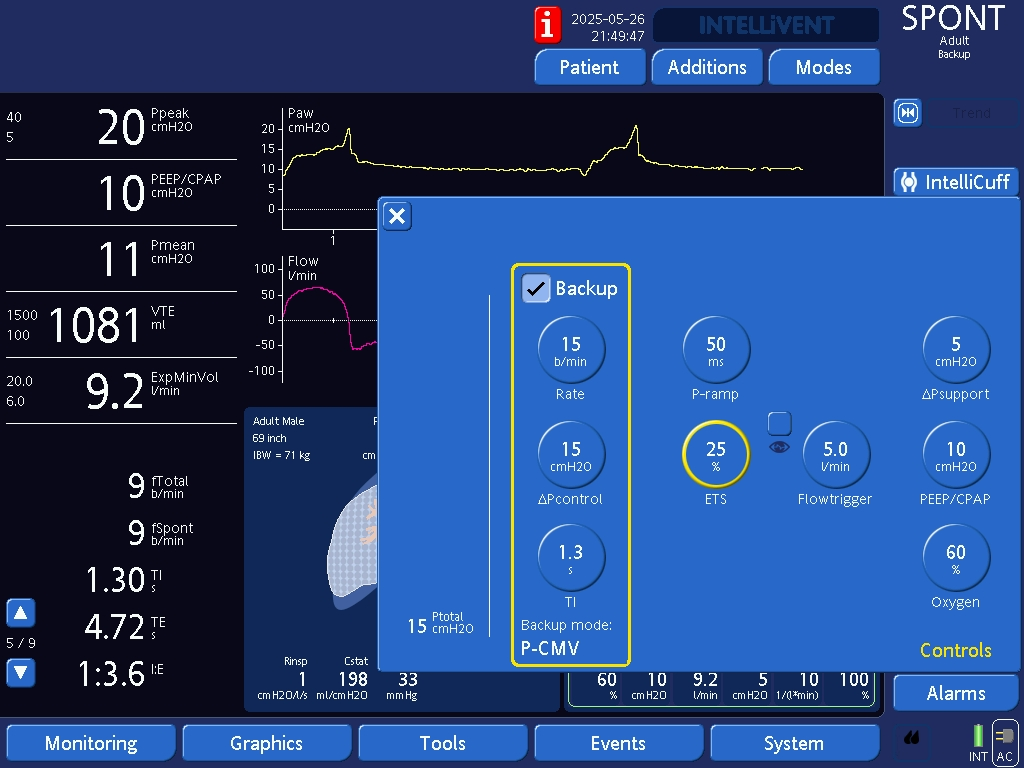
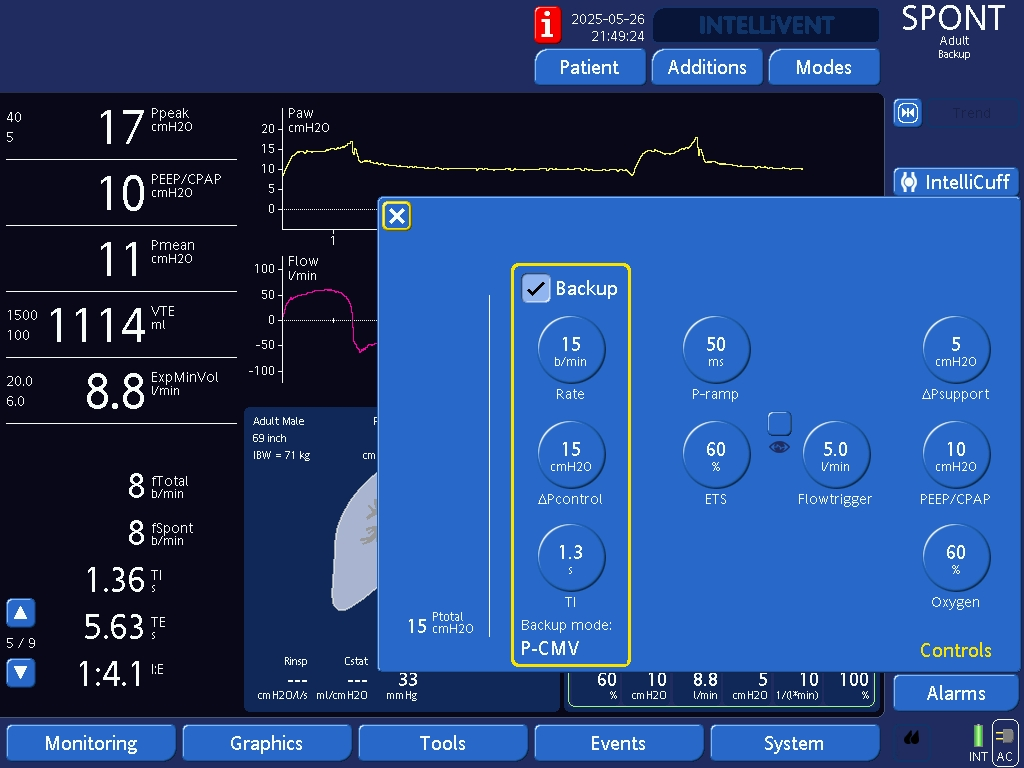
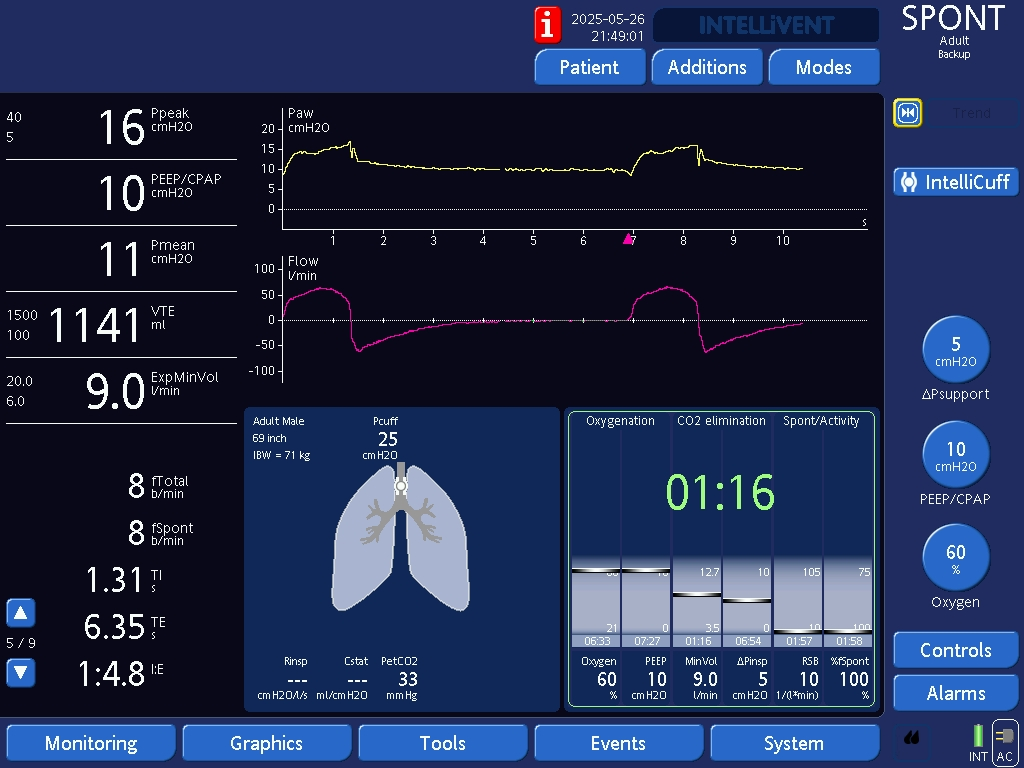
Important considerations around Adaptive Targeting Schemes (APV, Autoflow, PRVC, TargetVent, VC+…)
Illustration of Adaptive Targeting Scheme on APV
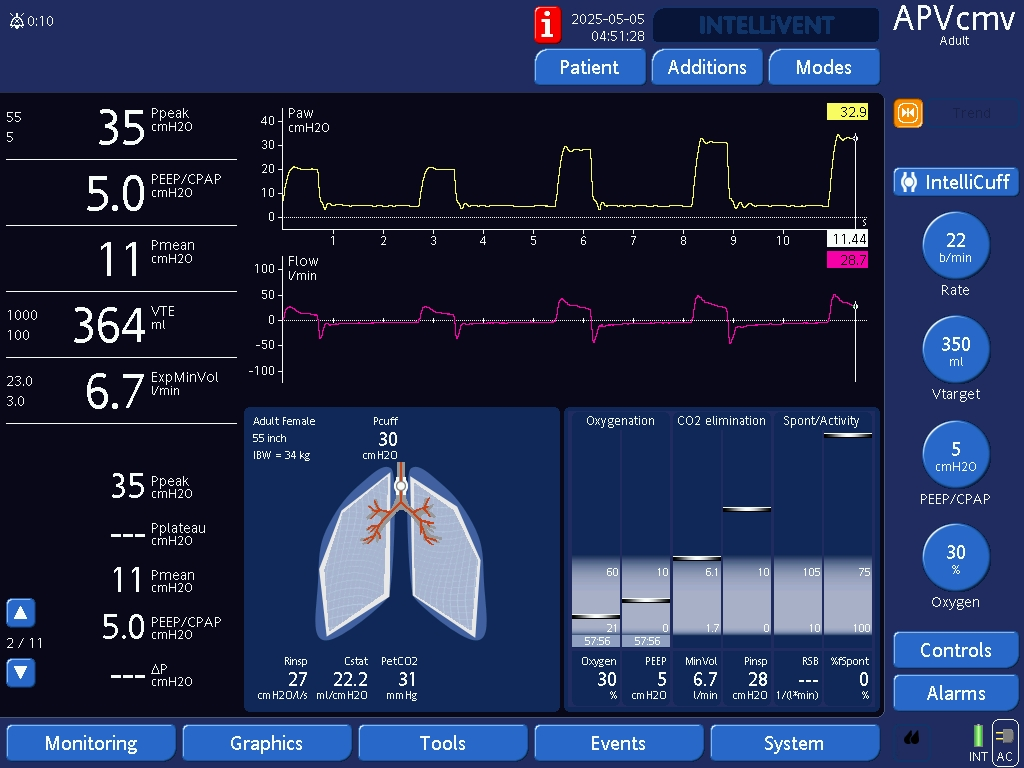
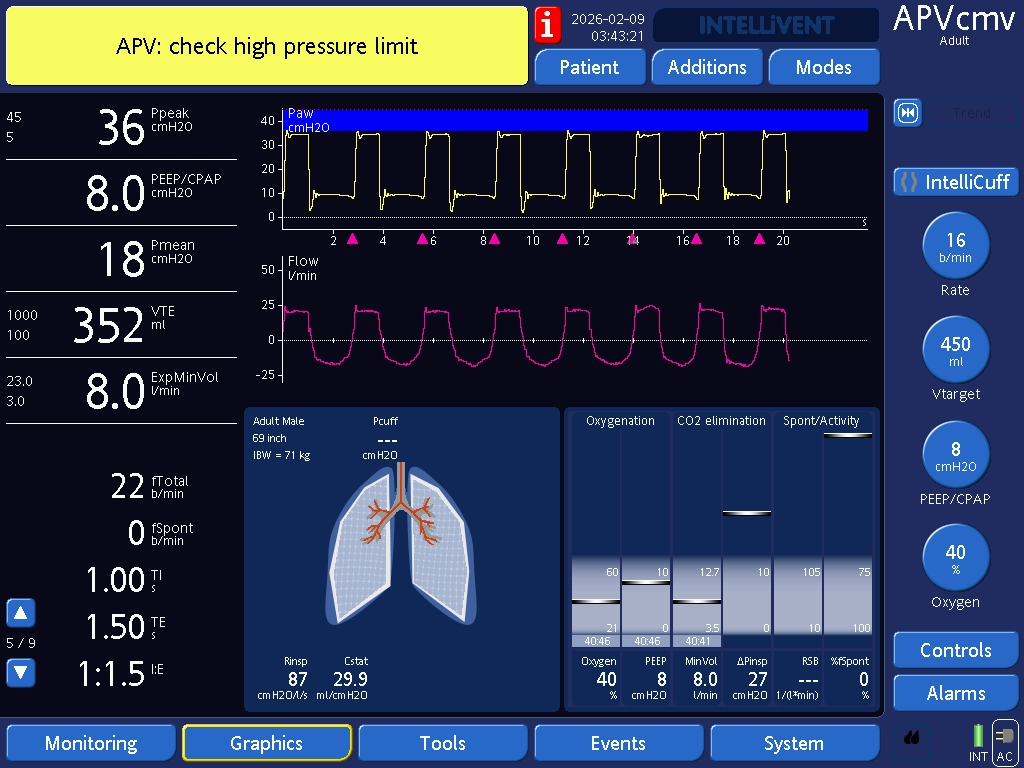
Important Alarm in APV – High Pressure Limit
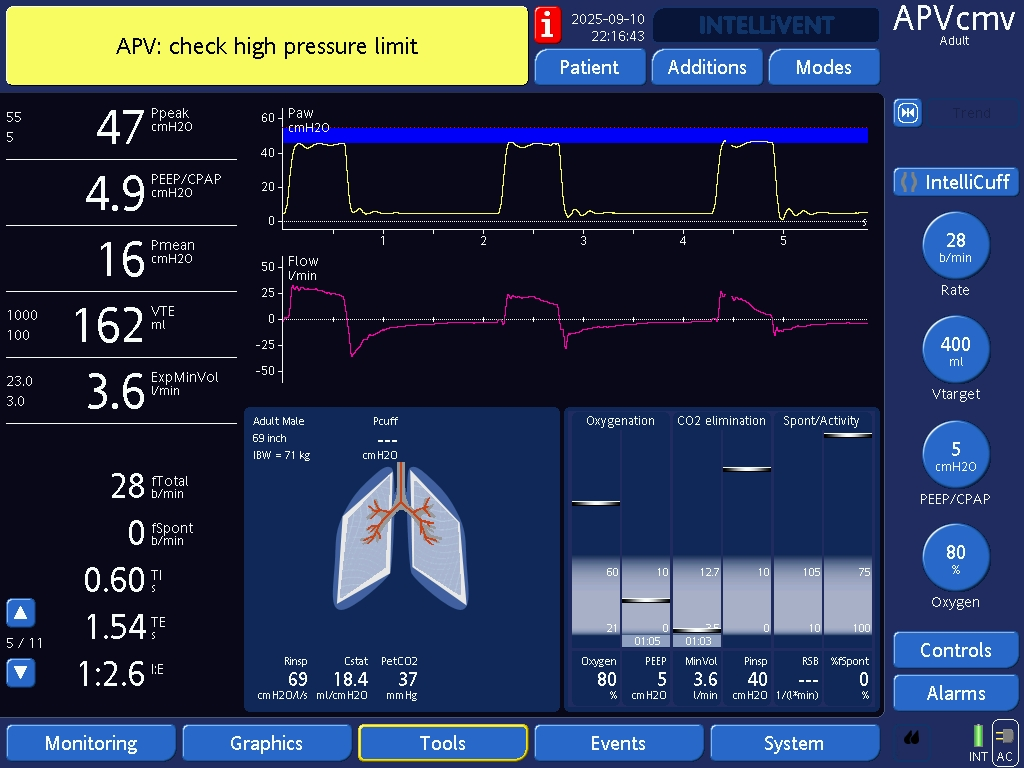
Impact of iTime on Peak Pressures on APV
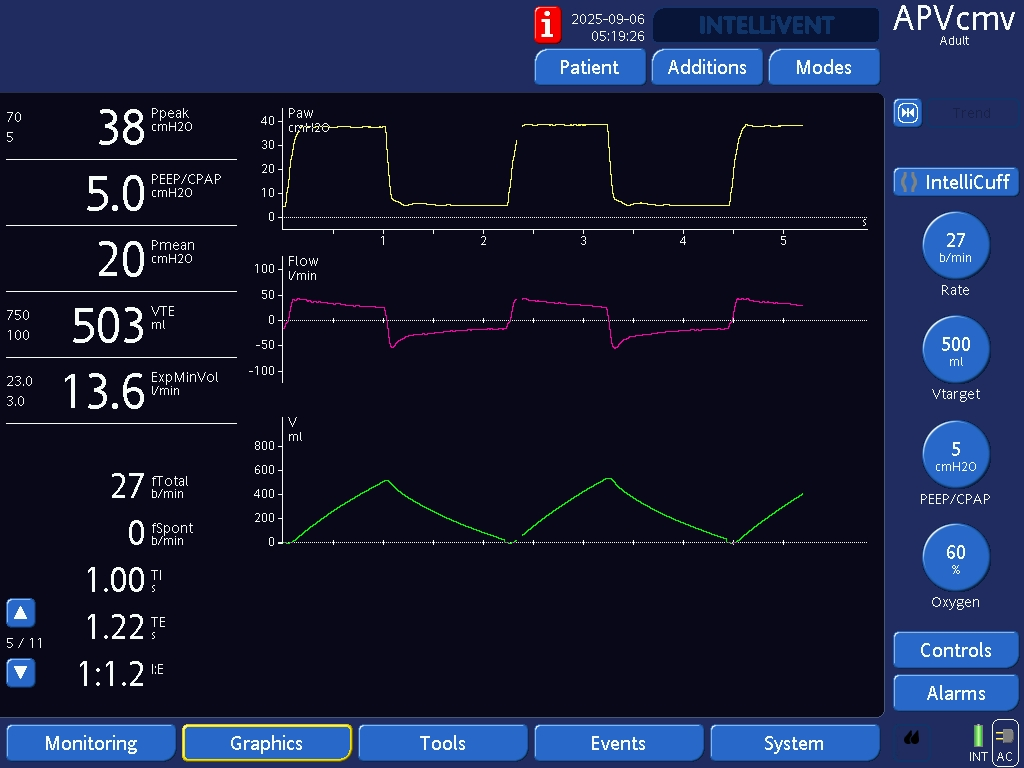
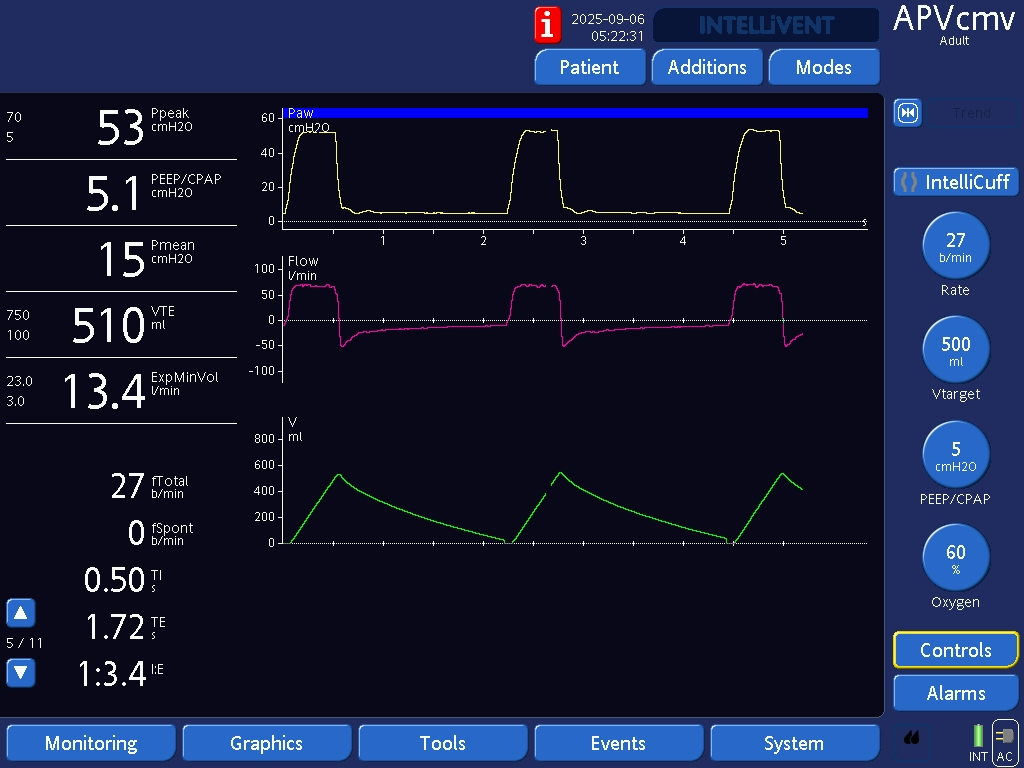
Impact of Leaks on Peak Pressure on APV
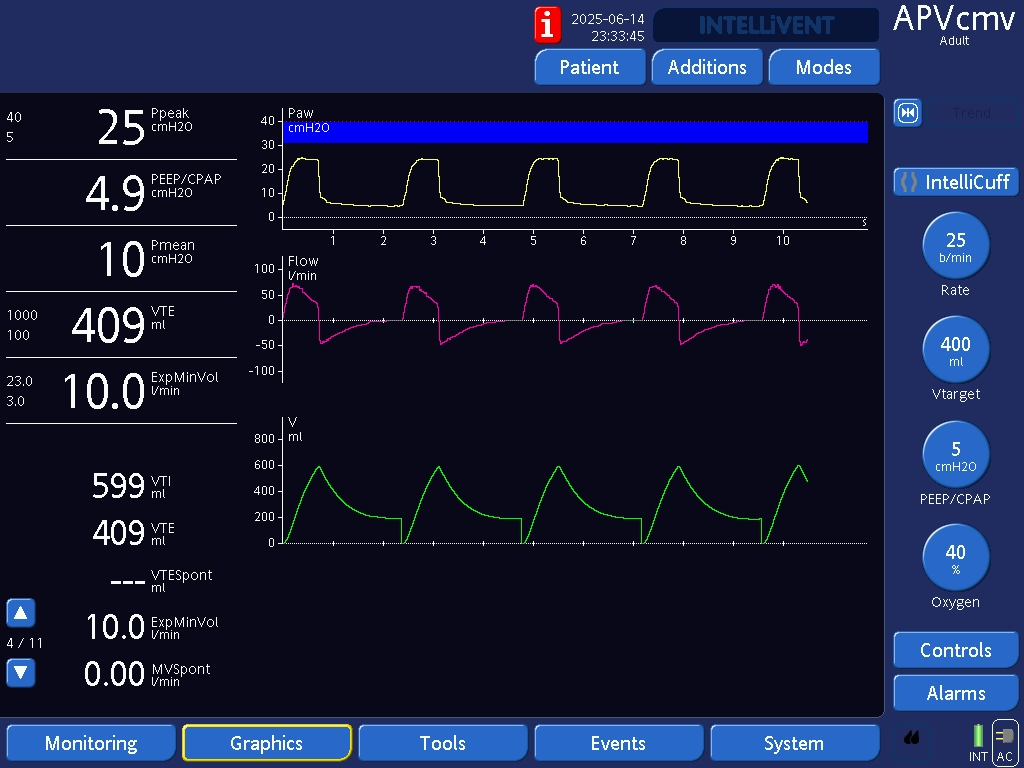
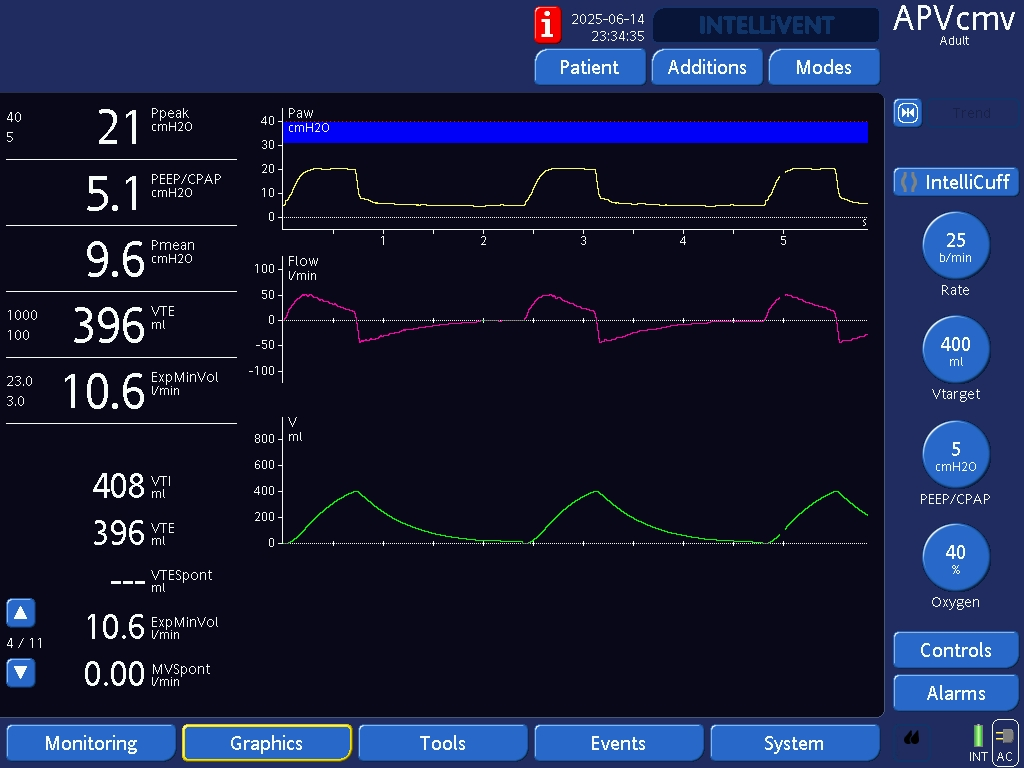
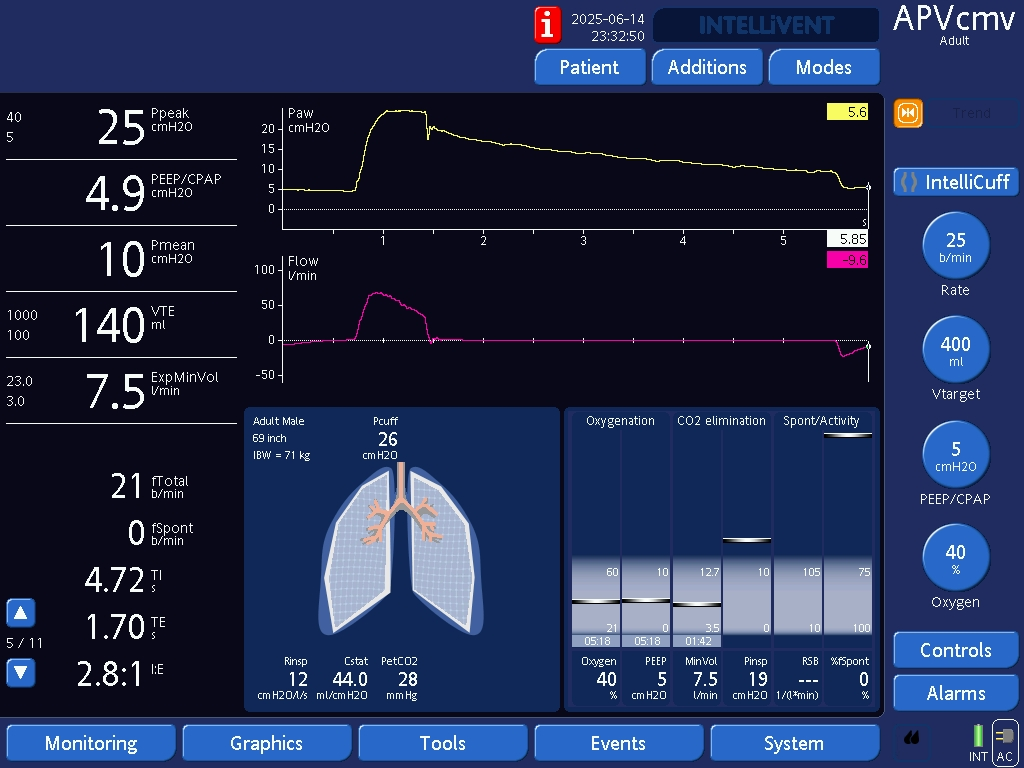
Volume Support
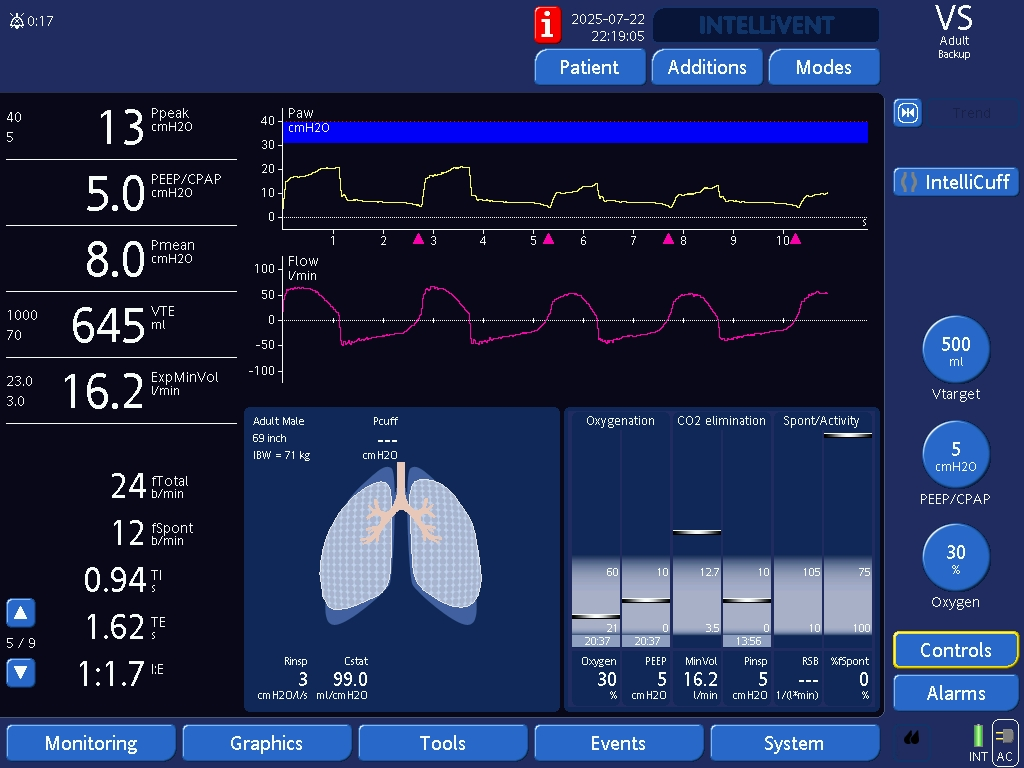
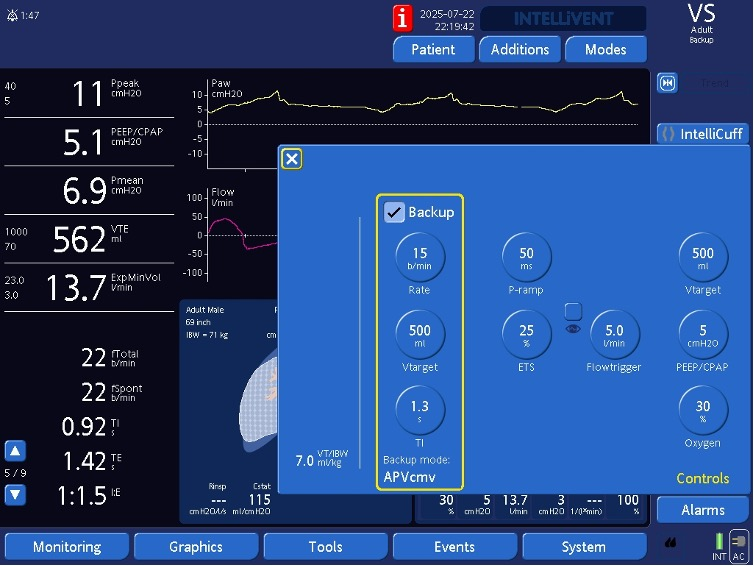
Respiratory System Mechanics
Compliance and Auto-PEEP
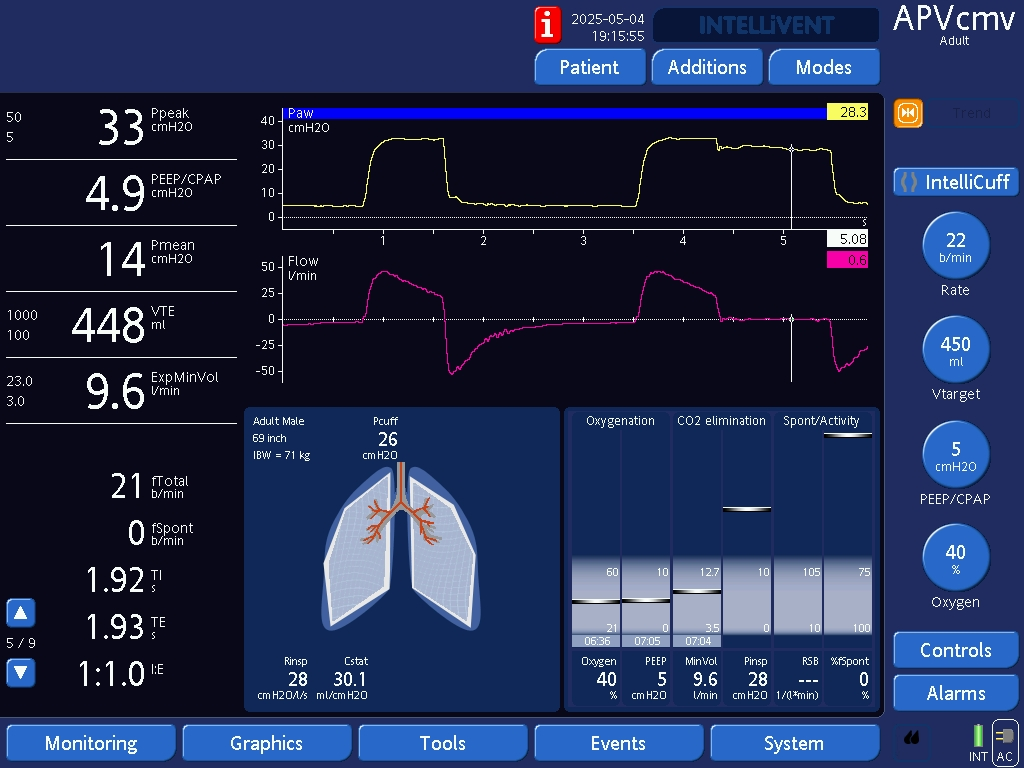
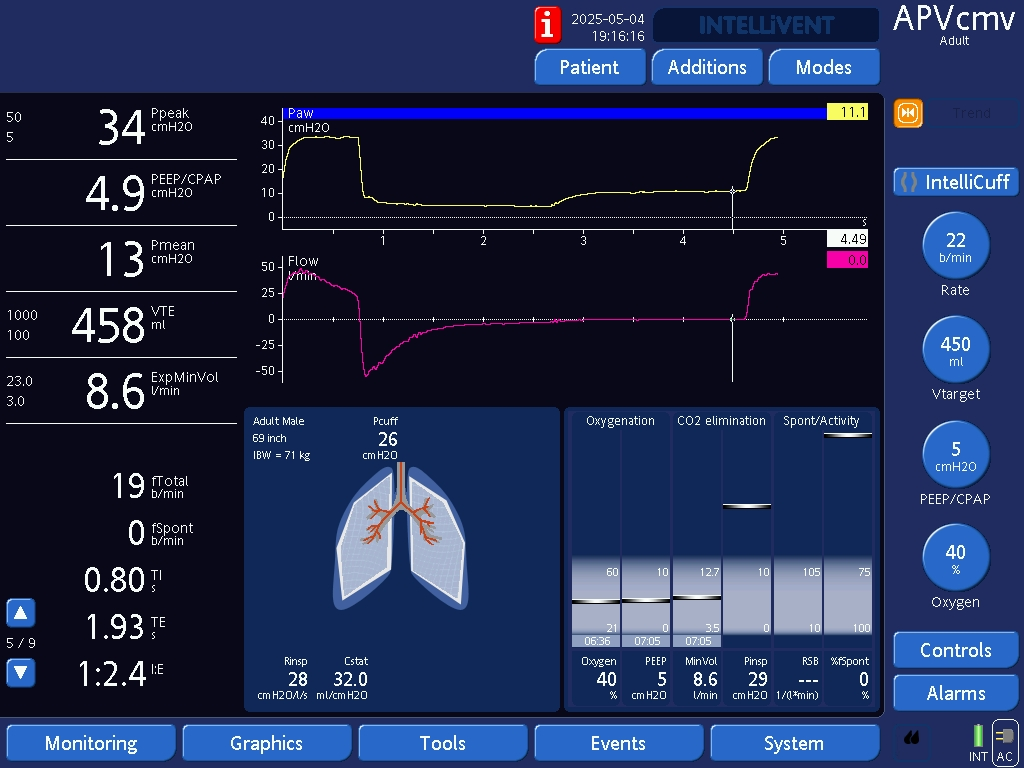
Effects of Kink in Endotracheal Tube
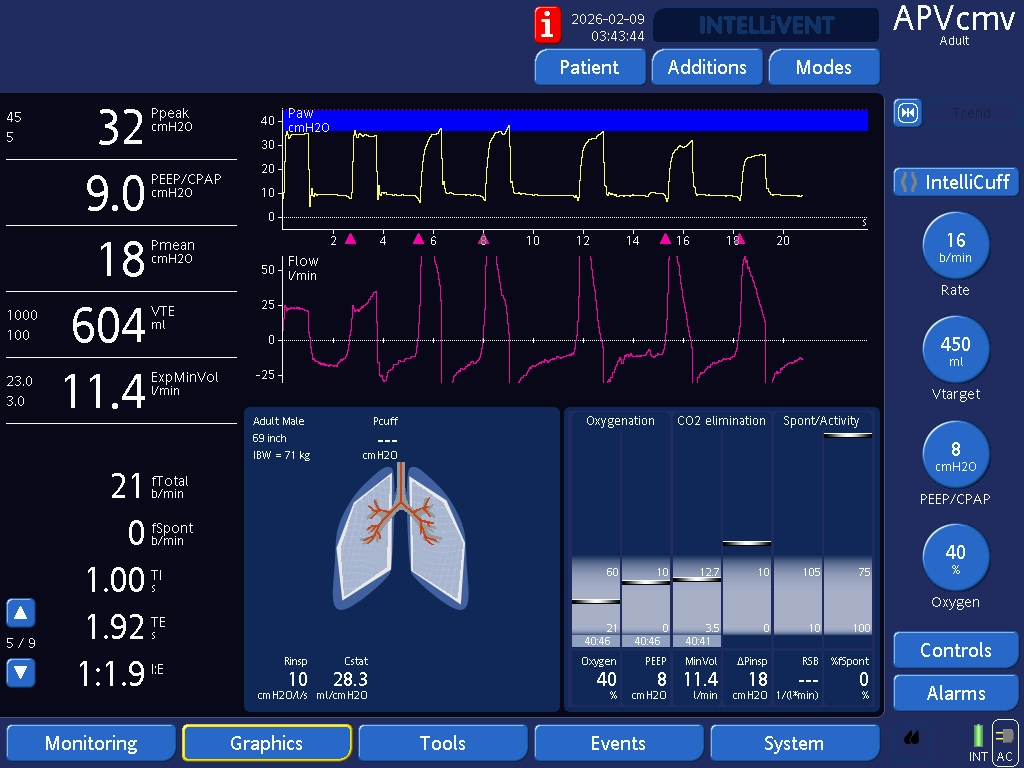
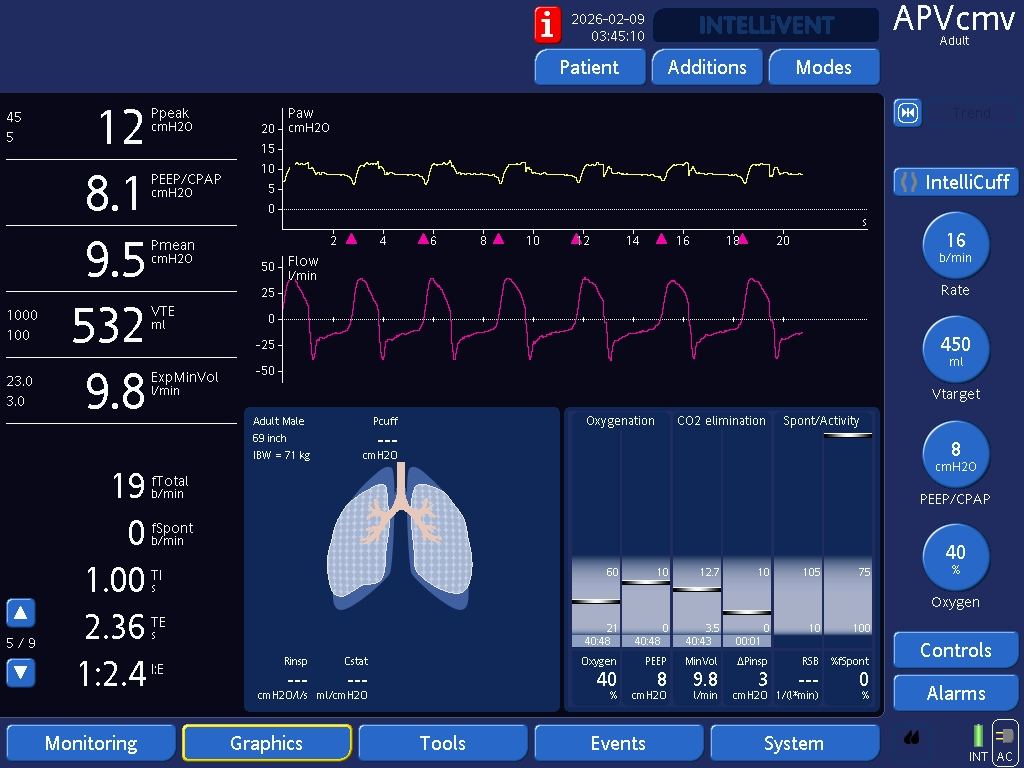
Plateau Greater Than Peak Pressure: A Sign of Patient Inspiratory Effort
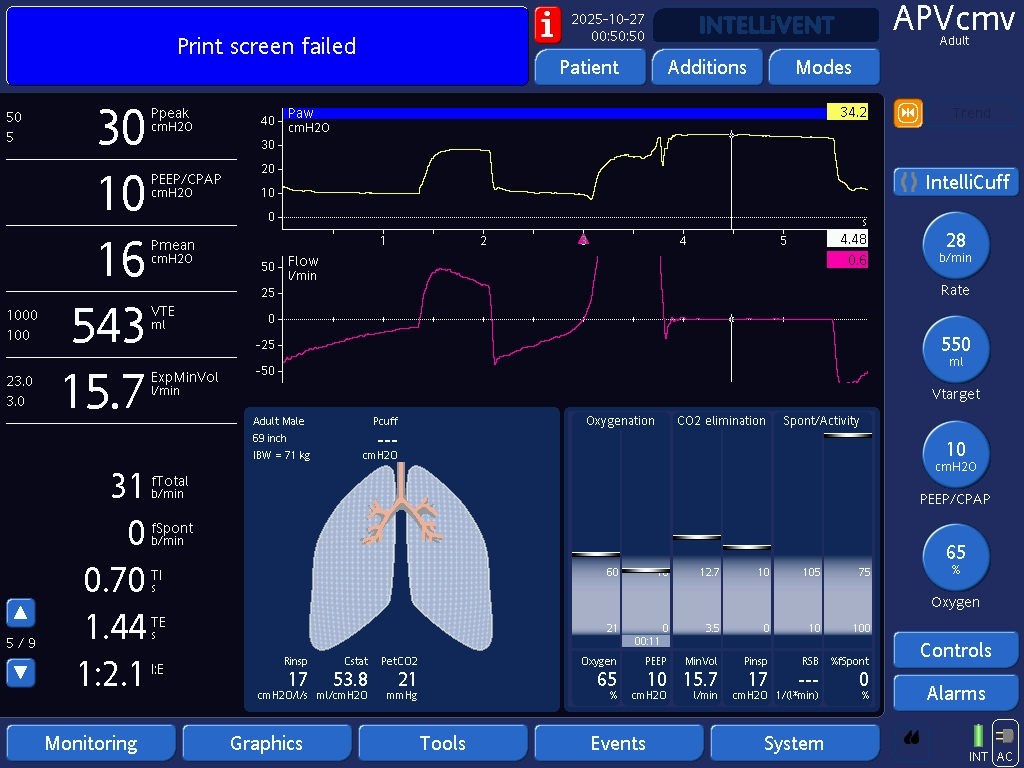
Circuit Leak due to Alveolar-Pleural Fistula
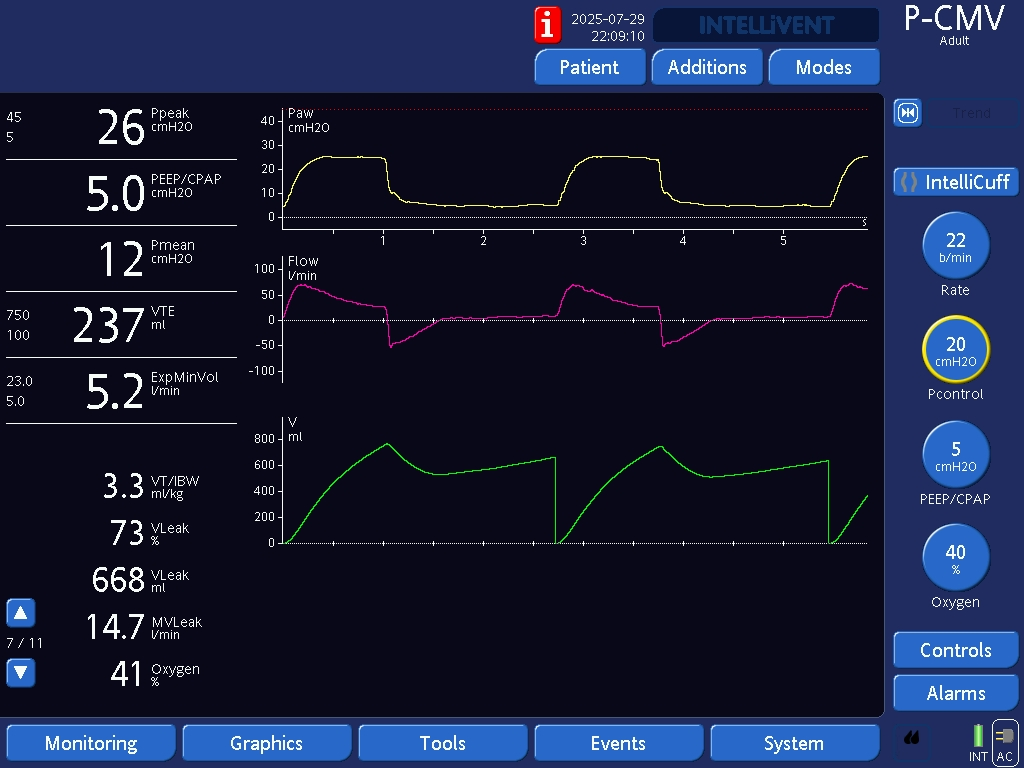
Stress Index
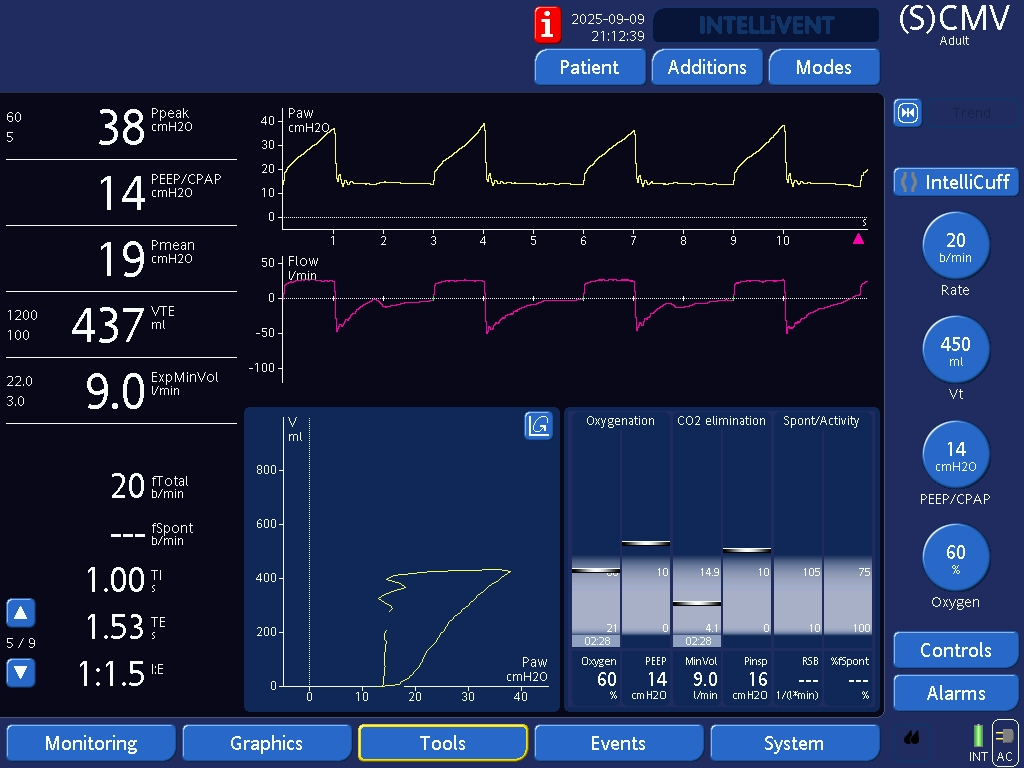
Severely Reduced Compliance in Pressure Control
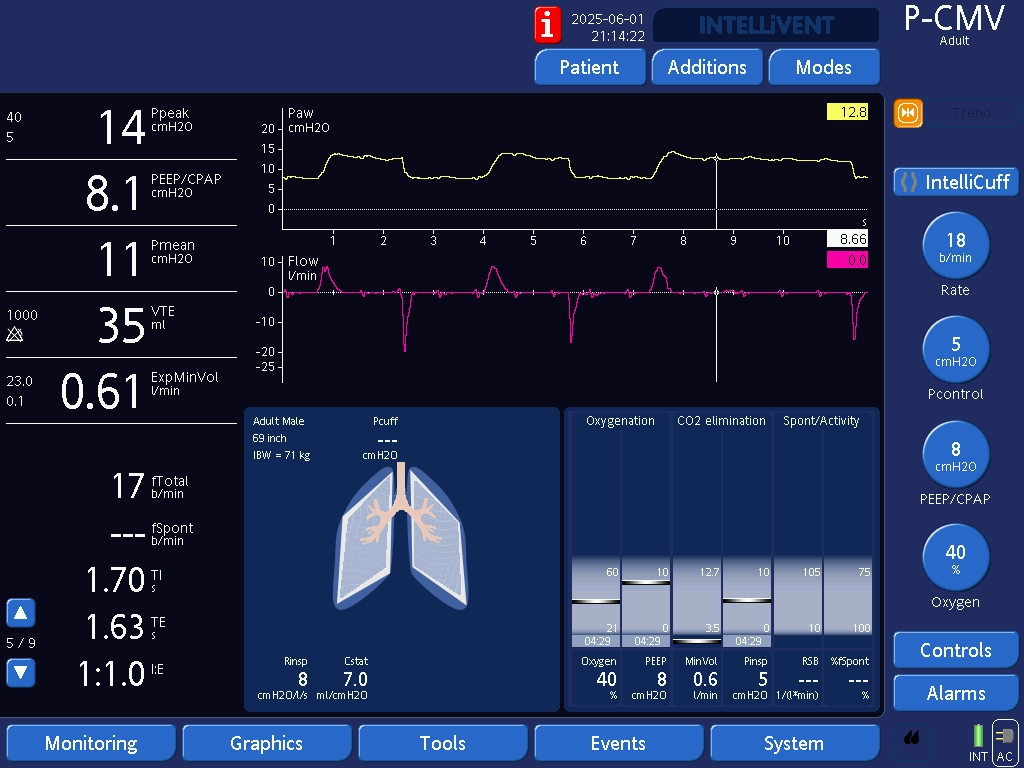
Useful Terminology:
APV: Adaptive Pressure Ventilation – pressure-limited mode where applied pressure is controlled by the ventilator to deliver target tidal volume set by provider. Also known as Autoflow, VC+, and PRVC.
Volume Support: Pressure support with an adaptive targeting scheme – the ventilator titrates the pressure given above PEEP with inspiration to deliver a desired target volume set by the user.